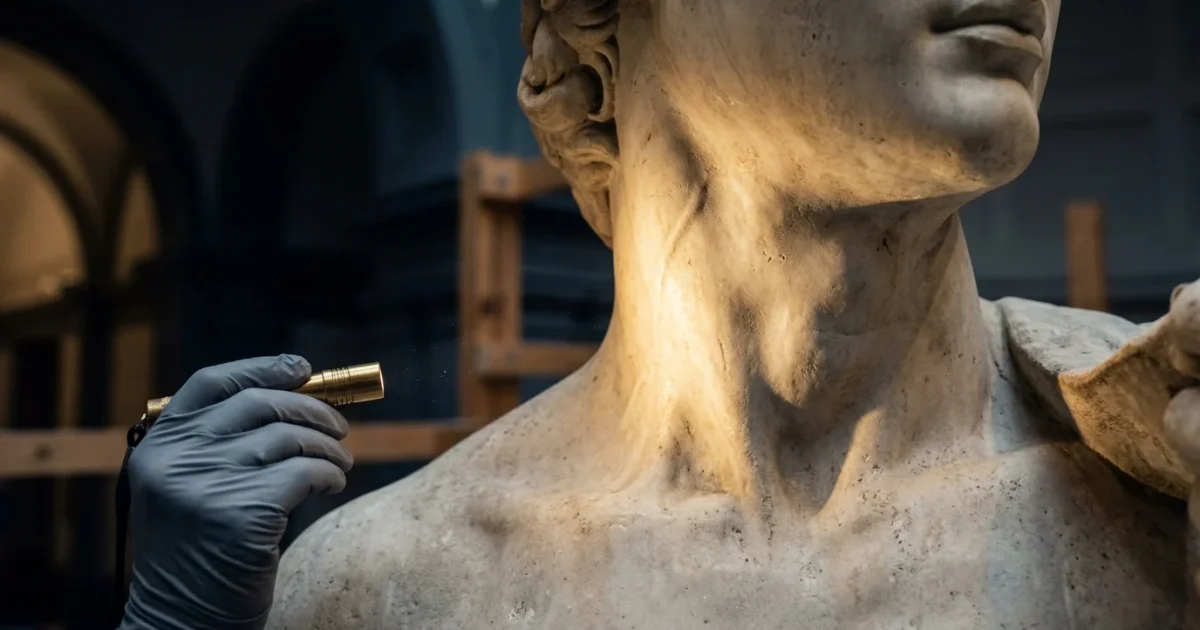
Master sculptors hide their deepest secrets in plain sight, carving private rebellions and coded messages directly into world-famous stone. You walk past these monuments assuming you know their story, yet their creators left deliberate Easter eggs for observant eyes.
Microscopic anatomical cues, concealed political insults, and hollow chambers turn these tourist landmarks into thrilling historical puzzles. Learning to decode these hidden details completely transforms how you experience art across Europe and beyond.
Grab your metaphorical magnifying glass and prepare to examine these legendary icons from a radically fresh perspective.
Viral Hit #1: Michelangelo’s David and the Adrenaline Secret
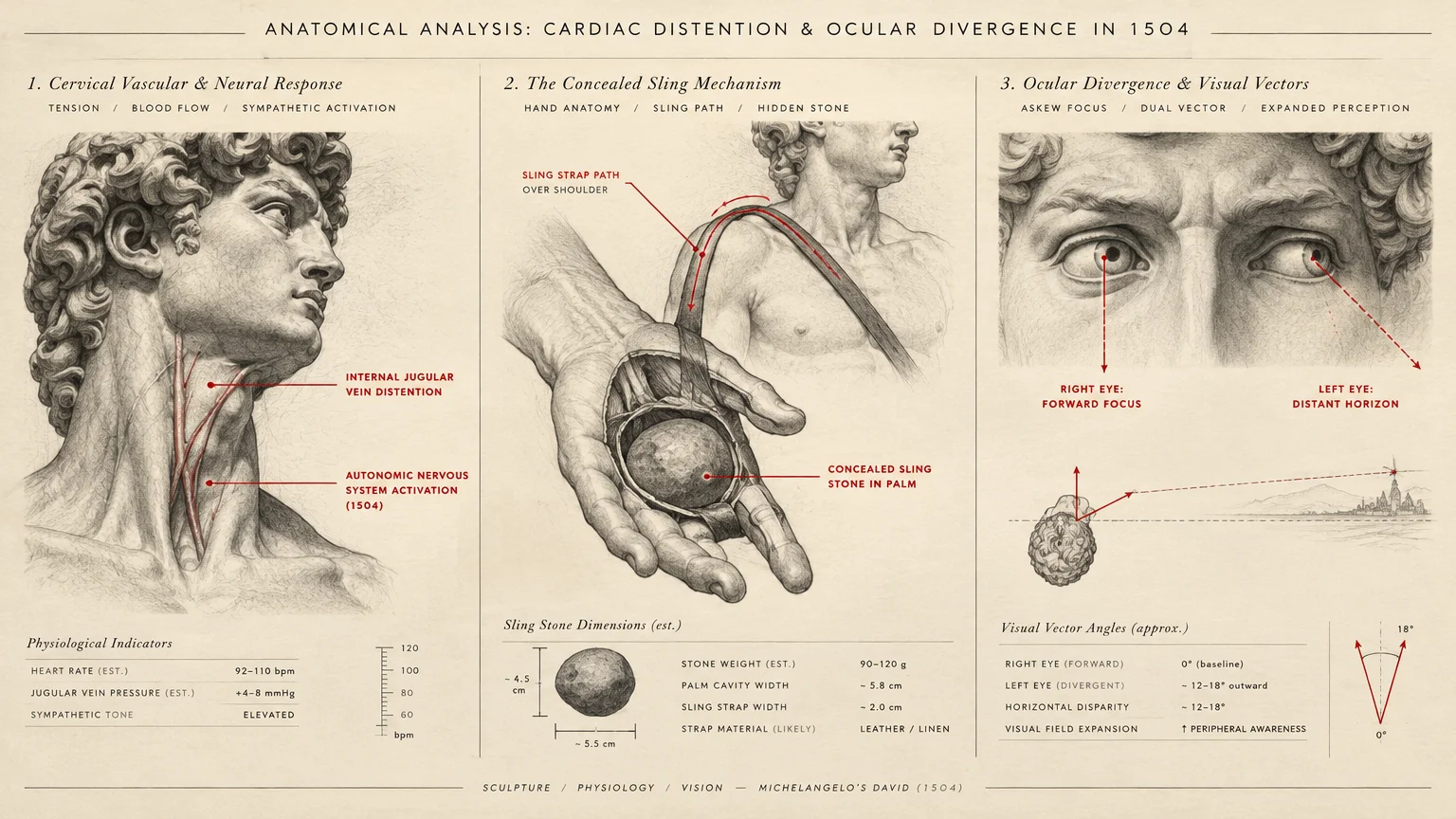
When you gaze up at David in Florence, you admire flawless Renaissance beauty. If you examine his neck closely, however, you spot a bulging internal jugular vein.
This anatomical detail appears only during extreme physical exertion or intense fear. Because David stands waiting before his battle with Goliath, Michelangelo intentionally sculpted the physical symptoms of an adrenaline surge.
Medical doctors confirmed this detail centuries later, noting that clinical science had not yet documented this cardiovascular reaction in 1504. Michelangelo also sculpted David with an asymmetrical squint to compensate for viewing angles from below.
- The Medical Anomaly: The jugular distention accurately depicts peak autonomic nervous system activation.
- The Hidden Weapon: David holds the stone concealed in his right palm while the sling strap drapes over his left shoulder.
- The Divergent Eyes: His right eye looks straight ahead while his left eye focuses on a distant horizon.
Viral Hit #2: The Statue of Liberty’s Shattered Chains
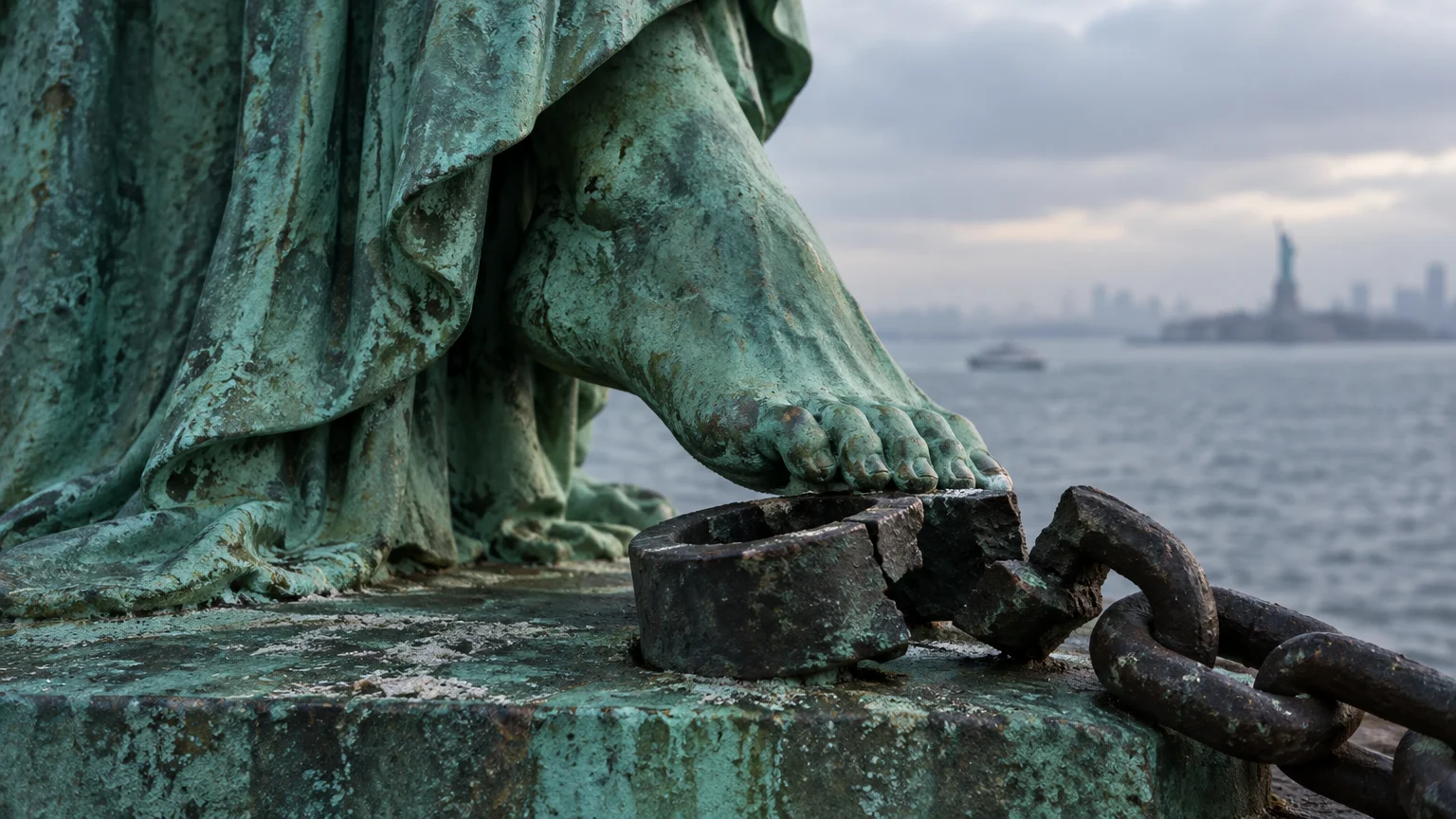
Millions of tourists photograph Lady Liberty’s torch and crown each year from harbor ferries. Yet most visitors miss the heavy iron shackle and broken chain lying beneath her feet.
French sculptor Frédéric-Auguste Bartholdi positioned her right foot in mid-stride atop these severed bonds to commemorate the abolition of slavery. He championed the Union victory in the American Civil War as a triumph for human freedom.
Because the chains remain largely invisible from ground level, popular culture often forgets this core abolitionist statement. Bartholdi ensured she was not simply welcoming newcomers, but actively trampling systemic servitude underfoot.
- The Hidden Chains: A broken shackle rests beside her heel, symbolizing the definitive end of chattel slavery.
- The Radiating Crown: The seven spikes represent the seven seas and seven continents of the world.
- The Dynamic Stride: Her forward posture represents ongoing progressive motion rather than static contemplation.
Viral Hit #3: Christ the Redeemer’s Hidden Mosaic Prayers
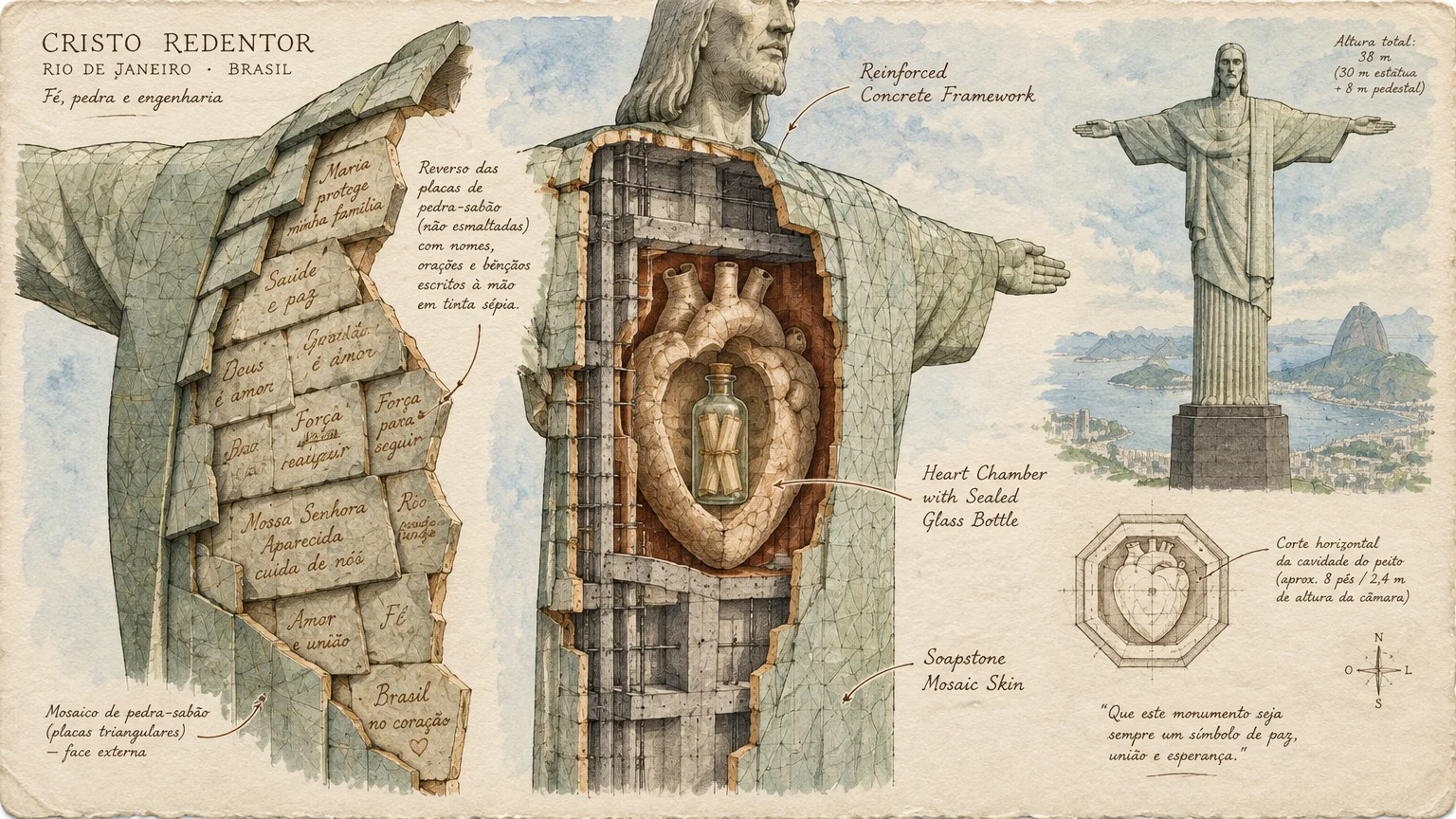
Standing atop Corcovado mountain in Rio de Janeiro, this monumental Art Deco figure draws crowds from across the globe. What you cannot see from the viewing platform is the mosaic skin covering the entire exterior.
Workers glued millions of triangular soapstone tiles onto mesh sheets before hoisting them onto the concrete frame. During construction, volunteer women wrote thousands of secret personal wishes, family names, and prayers on the backs of these tiles.
Those private messages remain sealed beneath the surface forever, facing inward toward the statue’s reinforced concrete core. Inside the chest, sculptors also hollowed out an eight-foot stone heart containing a small glass bottle with historical documents.
- The Secret Inscriptions: Thousands of Brazilian women inscribed private blessings directly on the unglazed tile backs.
- The Interior Heart: A hollow, heart-shaped chamber rests inside the statue chest, marking its spiritual center.
- The Soapstone Armor: The resilient material resists harsh coastal weather while concealing the hidden community archive.
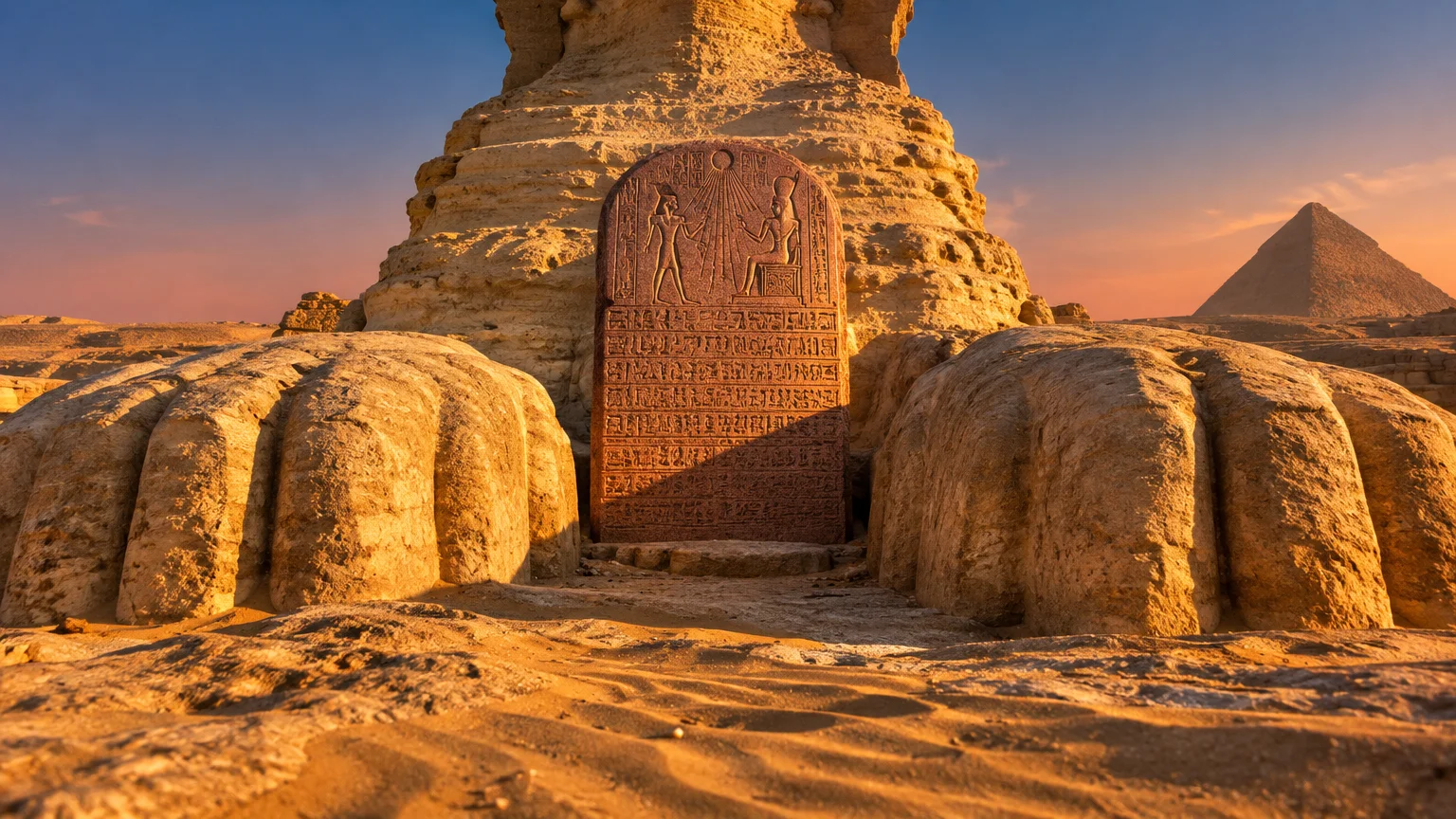
Viral Hit #4: The Great Sphinx and the Royal Blackmail Stela
The Great Sphinx of Giza guards Egypt’s desert plateau with an impassive stone expression that has baffled historians for millennia. Look between its colossal lion paws, however, and you will discover a massive granite slab packed with hieroglyphic drama.
Known as the Dream Stela, this stone documents a brilliant political masterstroke by Prince Thutmose IV. Before becoming Pharaoh, Thutmose fell asleep under the sand-buried Sphinx during a royal hunting trip.
The statue spoke to him in a vivid dream, promising him the throne if he cleared away the choking desert sands. Thutmose excavated the monument, seized the crown ahead of his brothers, and carved this divine endorsement in stone.
- The Dream Bargain: The carving legitimized a younger son’s claim to the Egyptian throne through divine intervention.
- The Sand Trap: The text confirms that desert drifts buried the monument up to its neck for centuries.
- The Subterranean Cavities: Modern scans show hollow chambers beneath the monument, fueling ongoing archaeological research.
Viral Hit #5: Auguste Rodin’s The Thinker and the Underworld
You probably recognize The Thinker as the quintessential symbol of philosophical contemplation and academic calm. Yet Auguste Rodin originally designed this muscular bronze figure to sit in the middle of terrifying agony.
The statue represents Italian poet Dante Alighieri leaning forward to gaze at the horrific suffering within his Inferno. Rodin created the piece as the crowning centerpiece for his massive decorative doorway, The Gates of Hell.
Look at the figure’s clenched toes curling tightly over the rock edge; they mirror the internal torment of a creator witnessing damnation. Rather than resting serenely, Dante strains every muscle as he contemplates human sin.
- The True Identity: The figure is not an anonymous philosopher, but Dante Alighieri composing his poetic masterpiece.
- The Clenched Toes: The contorted feet reveal visceral anxiety rather than peaceful mental meditation.
- The Gatekeeper: The original sculpture sat directly above hundreds of damned souls writhing in cast bronze.
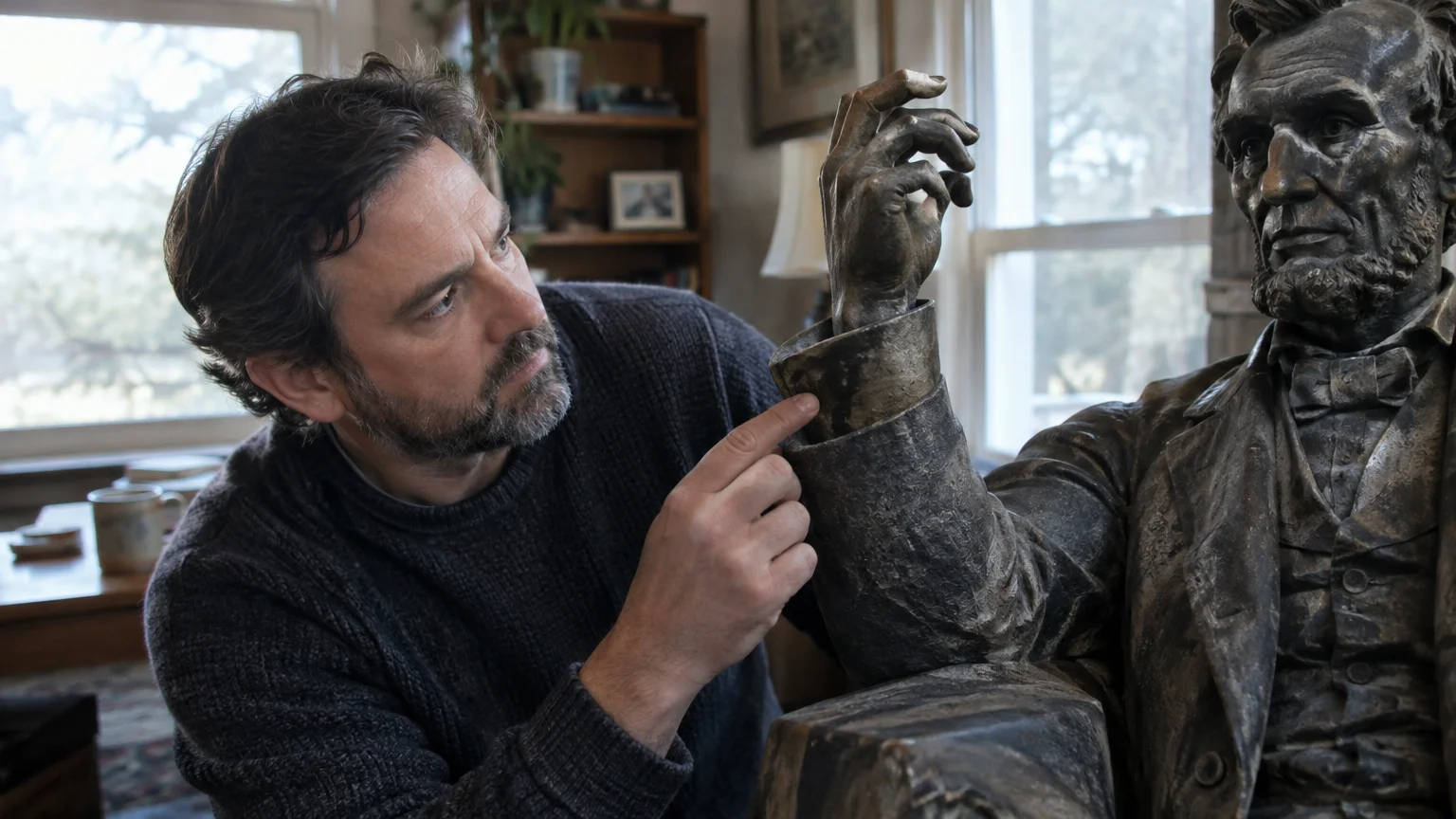
Viral Hit #6: Abraham Lincoln’s Secret Sign Language Cuffs
Step inside the Lincoln Memorial in Washington, D.C., and the enormous seated president immediately commands your respect. If you shift your gaze to his powerful hands resting on the armrests, you will notice an unusual manual arrangement.
Lincoln’s left hand forms an open, curved shape resembling the letter “L” in American Sign Language. Meanwhile, his right hand forms a loose fist that mirrors the sign language letter “A.”
Sculptor Daniel Chester French never publicly verified the rumor, but he previously sculpted Thomas Hopkins Gallaudet teaching deaf students. French knew sign language well and likely encoded the president’s initials as a subtle tribute to the deaf community.
- The Finger Formations: The hands mirror the specific fingershapes for the letters “A” and “L.”
- The Gallaudet Connection: French designed famous deaf education monuments before receiving the Lincoln commission.
- The Presidential Charter: Lincoln personally signed the federal legislation establishing Gallaudet University in 1864.
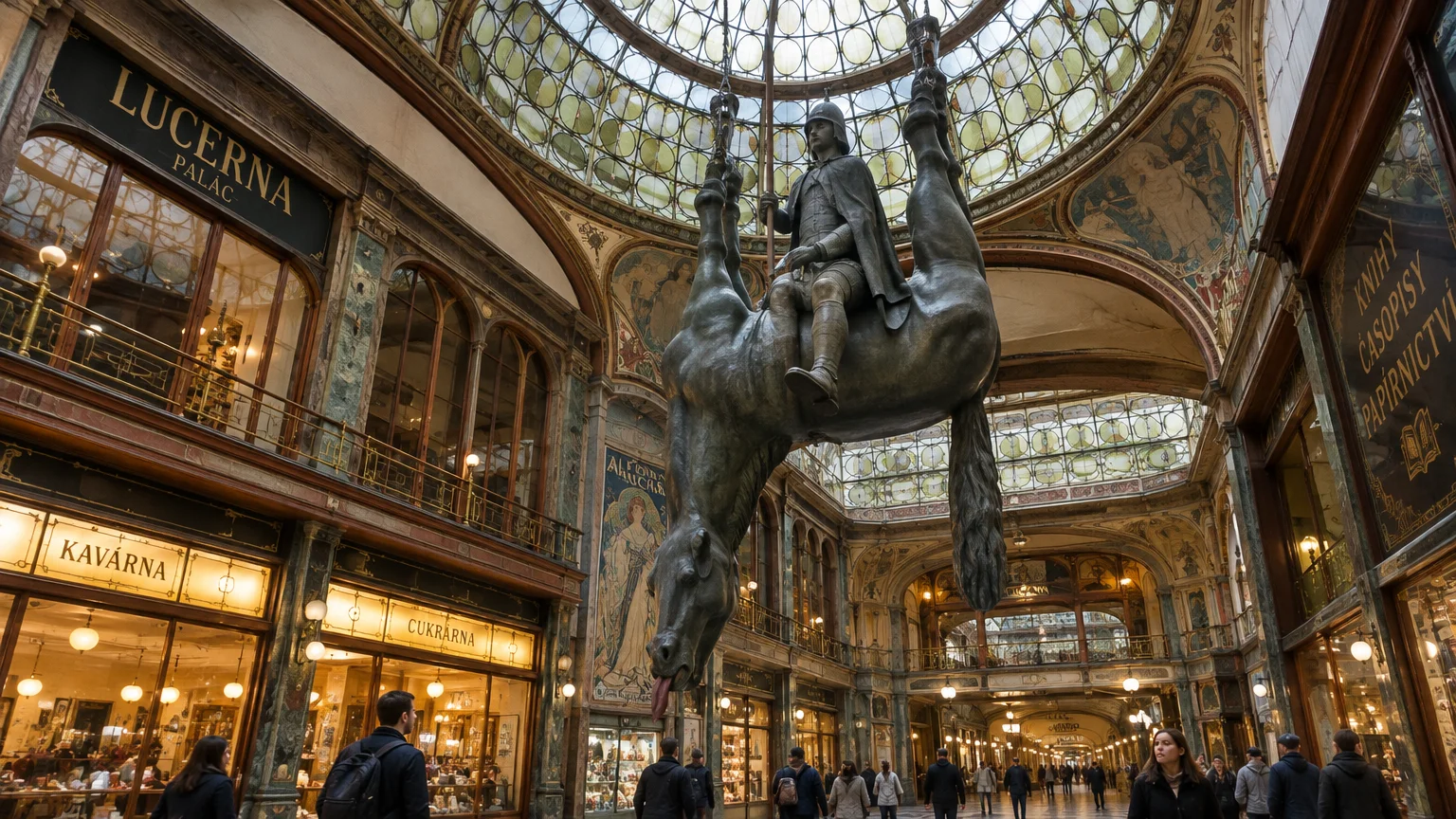
Viral Hit #7: David Černý’s Upside-Down Horse of Prague
Walk inside Prague’s Lucerna Passage, and you will find an unsettling sight hanging suspended from the glass dome. Artist David Černý created a life-sized, dead horse tied upside-down by its hooves, carrying King Wenceslas on its belly.
This striking sculpture parodies the revered bronze equestrian statue of St. Wenceslas located just up the street in Wenceslas Square. The monarch sits solemnly erect, completely oblivious that his trusted steed is dead and bound.
Černý constructed the subversive artwork as a biting political critique of Czech political inertia and hollow patriotism. You learn to question blind national myths when an artist turns your most sacred historical monument upside down.
- The Satirical Inversion: The statue lampoons the official heroic narrative of the Czech Republic’s patron saint.
- The Structural Trick: The entire hollow installation hangs securely by steel cables from the art nouveau ceiling.
- The Lucerna Legacy: The building belongs to the family of Václav Havel, adding deep cultural irony.
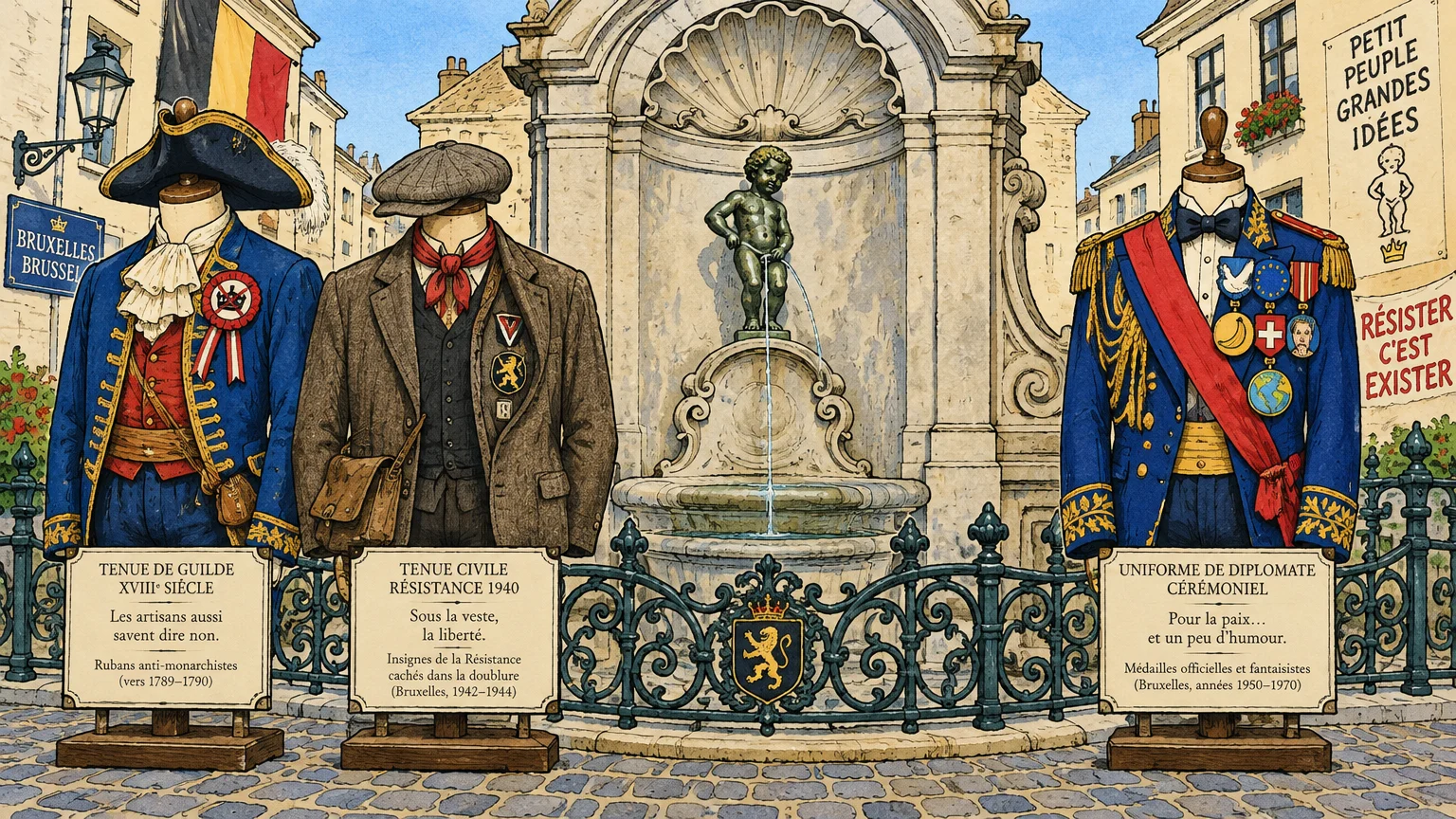
Viral Hit #8: Brussels’ Manneken Pis and the Resistance Codes
At first glance, the two-foot bronze boy urinating into a fountain looks like pure Belgian bathroom humor. Yet this pint-sized mascot holds a storied history of undercover political resistance and wartime subversion.
During foreign occupations, local citizens dressed the bronze boy in elaborate uniforms to send veiled warnings to invading forces. Whenever occupying armies attempted to suppress Belgian identity, city rebels used the statue for clandestine mockery.
The authentic original statue survived repeated kidnappings, French bombardments, and theft attempts by hiding safely in local attics. Today, the statue’s rotating wardrobe of over one thousand costumes communicates diplomatic solidarity and social protests across Europe.
- The Wardrobe Archive: Over 1,000 custom outfits document centuries of global diplomacy and civic pride.
- The Decoy Bronze: The street-level figure is a 1965 replica; the 1619 original rests securely in the City Museum.
- The Wartime Symbol: Brussels used the defiant boy as an emblem of cheerful resilience during foreign sieges.
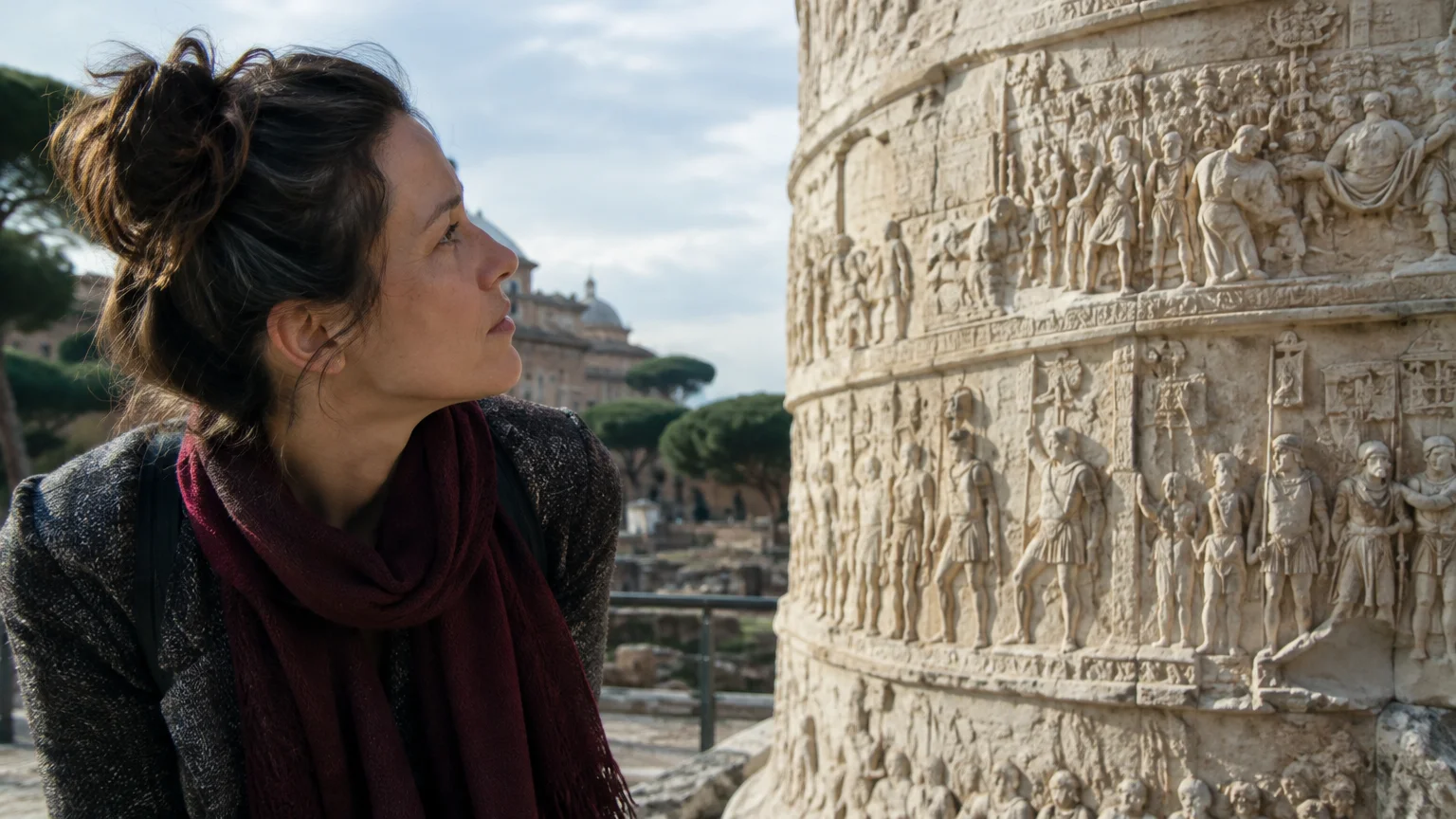
Viral Hit #9: Trajan’s Column and the Ancient Propaganda Strip
Standing tall in the heart of Rome, Trajan’s Column looks like an imposing victory monument celebrating the Dacian Wars. If you read the continuous marble frieze spiraling up its shaft, you uncover an ancient masterclass in psychological warfare.
The stone spiral functions like a modern cinematic storyboard, showing engineering achievements, bridge construction, and royal suicides across 155 scenes. Emperor Trajan deliberately depicted the defeated Dacians with dignity and courage rather than mocking them.
By portraying his enemies as formidable warriors, Trajan magnified his own military genius to Roman citizens back home. You can view it as the ancient world’s most sophisticated multimedia propaganda campaign carved in stone.
- The Storyboard Format: A 190-meter spiral relief winds twenty-three times around the hollow marble column.
- The Engineering Focus: Scenes emphasize Roman logistics, bridge assembly, and road building over brute battlefield bloodshed.
- The Imperial Tomb: The column base originally held the golden urn containing Trajan’s cremated ashes.
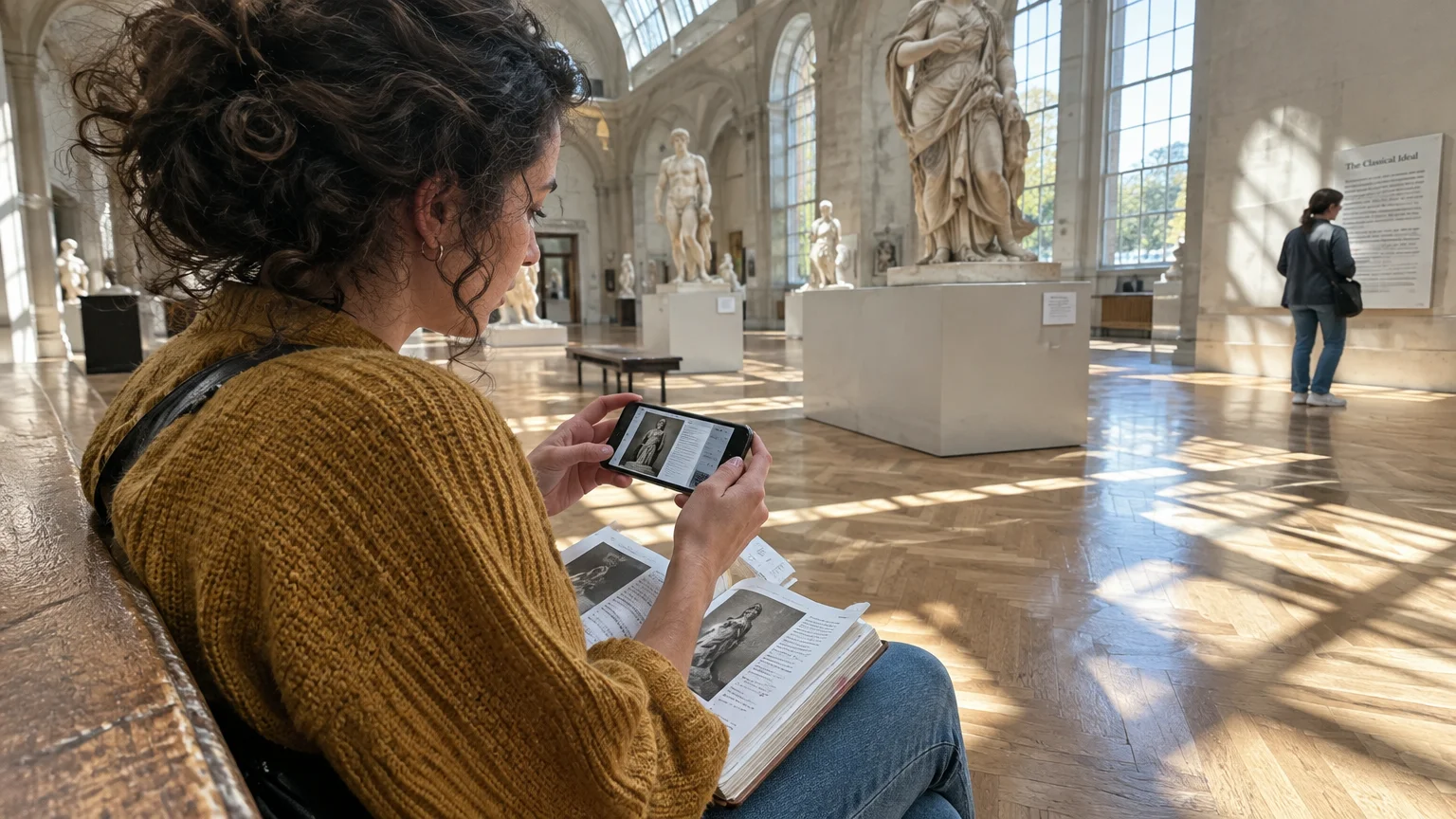
Keep the Buzz Going: How to Share Responsibly
Viral art trivia spreads rapidly across TikTok, Instagram, and Reddit, but misinformation travels just as fast. You often encounter fabricated claims, such as the persistent myth that horse hooves indicate how an equestrian rider died.
Always verify art claims against reputable archival research before hitting the share button on your favorite social platforms. Taking thirty seconds to cross-check historical trivia protects your followers from embarrassing urban legends.
Crediting original researchers, museum curators, and photographers also supports the cultural professionals who uncover these amazing stories. When you spotlight genuine historical scholarship, you elevate online discourse and inspire thoughtful curiosity.
For verified reporting and fact-checking, rely on outlets like Reuters and rumor-busting sites such as Snopes. For platform policy updates, follow official resources like the Google Transparency Report.
Frequently Asked Questions
Why did historical sculptors hide controversial symbols in their work?
Artists often relied on conservative royal or religious patrons who controlled funding and public taste. By embedding coded symbols into stone, sculptors expressed personal philosophies, political satire, or scientific insights without risking immediate censorship.
How do art historians verify whether a hidden message is real or folklore?
Historians analyze primary source records, personal letters, preparatory sketches, and structural scans using modern ultrasound or infrared technology. If physical evidence and archival texts align, the interpretation moves from popular myth to verified historical consensus.
Can modern visitors actually see these hidden details in person?
Many subtle carvings require elevated viewing angles, high-powered telephoto lenses, or museum flashlights that casual visitors lack. Fortunately, museum apps and 3D digital scans now allow you to examine high-resolution details from your smartphone.
How does viral social media content impact the preservation of these statues?
Viral videos drive surging ticket sales and museum tourism, which generates essential preservation funds for delicate monuments. However, intense crowds also bring physical wear, requiring cultural sites to establish protective barriers and strict visitor rules.
Disclaimer: Viral stories evolve quickly. Always verify details with primary sources before sharing or acting on this content.






Leave a Reply