
Your curiosity can ruin your afternoon in a single keystroke. One casual search query can infect your computer with silent malware or burn an agonizing medical image into your memory forever.
Search engines index billions of web pages, but algorithmic rankings do not filter out shock value, cybercrime traps, or psychological regret. Clicking without caution turns standard browsing into a high-stakes gamble.
Before you hit enter, step back and consider the consequences. Protecting your digital life means knowing which things you should never google under any circumstances.
Viral Hit #1: Customer Service Phone Numbers
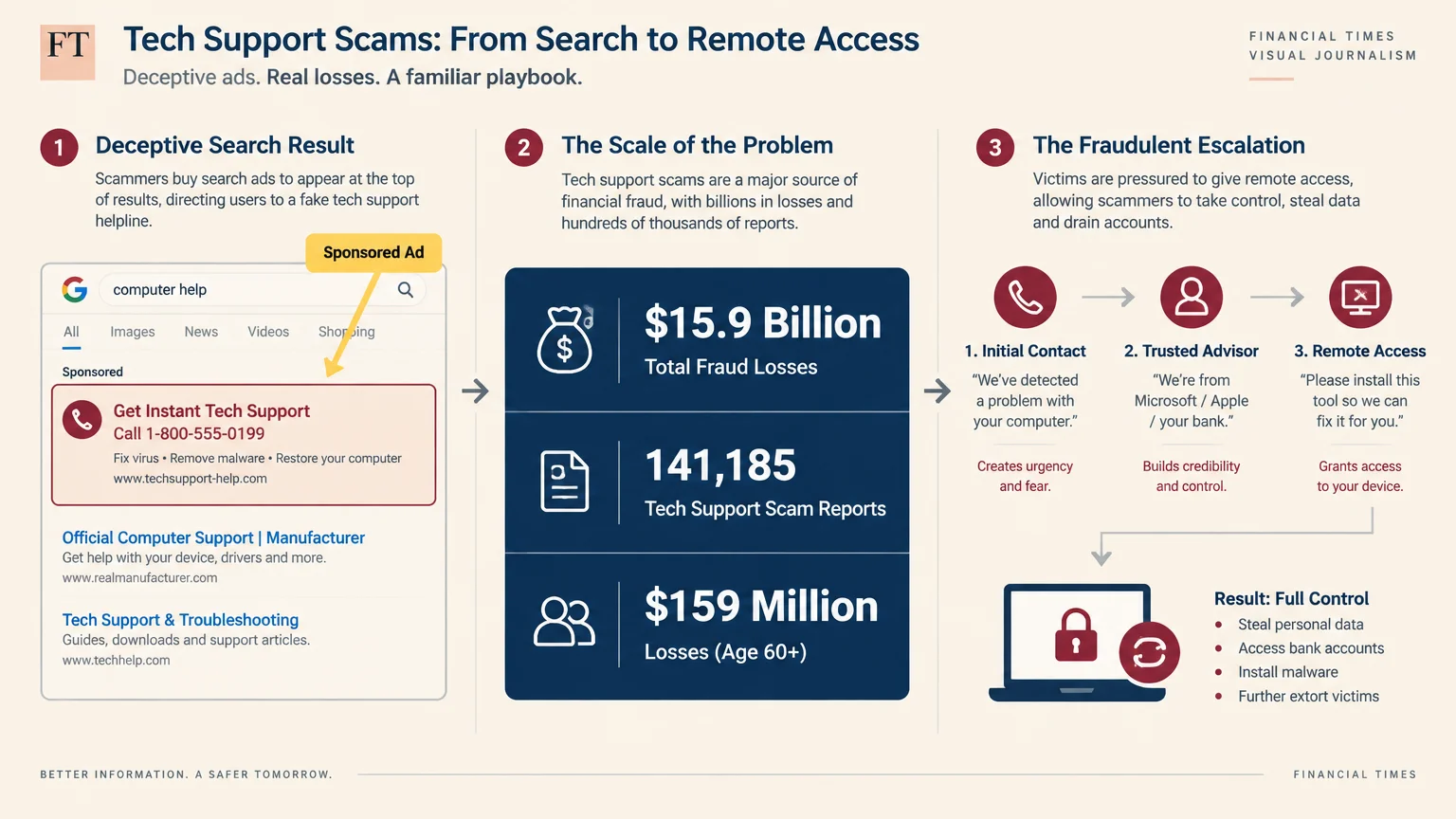
Searching for customer support hotlines is one of the most dangerous search engine mistakes you can make. Cybercriminals buy sponsored search ads that impersonate major airlines, banks, and tech brands.
According to the Federal Trade Commission, consumers logged a record $15.9 billion in total fraud losses across 3 million reports in 2025. Between July 2023 and June 2025, the FTC received 141,185 reports of tech support scams.
Older adults over sixty reported $159 million in losses to tech support fraud in 2024 alone. When you need direct assistance, bypass search results entirely and type the company’s official web address into your browser.
- Scammers purchase targeted Google ads to display fraudulent call numbers at the very top.
- Call center operators manipulate remote desktop software to lock your computer until you pay.
- Always locate customer support channels directly through your physical billing statement or product app.

Viral Hit #2: Free Movie Streaming Sites
Looking for free cinematic streams frequently exposes your browser to dangerous google searches. Shady streaming portals rarely host movies out of goodwill; they monetize traffic through deceptive scripts and malicious redirects.
Palo Alto Networks researchers at Unit 42 note that malvertising and search engine optimization poisoning account for 12% of all social-engineering cyberattacks. These tactics deliver malicious code straight through top search listings.
ESET threat reports highlight a 500% spike in ClickFix scams. These attacks trick curious streamers into copying and running destructive terminal scripts disguised as missing browser codecs.
- Poisoned streaming portals simulate missing video players to prompt immediate file executions.
- Pop-under windows quietly redirect your browser through rogue affiliate advertising chains.
- Stick to legitimate streaming subscriptions and verified public broadcast services.
Viral Hit #3: Free Software Utilities and Converters
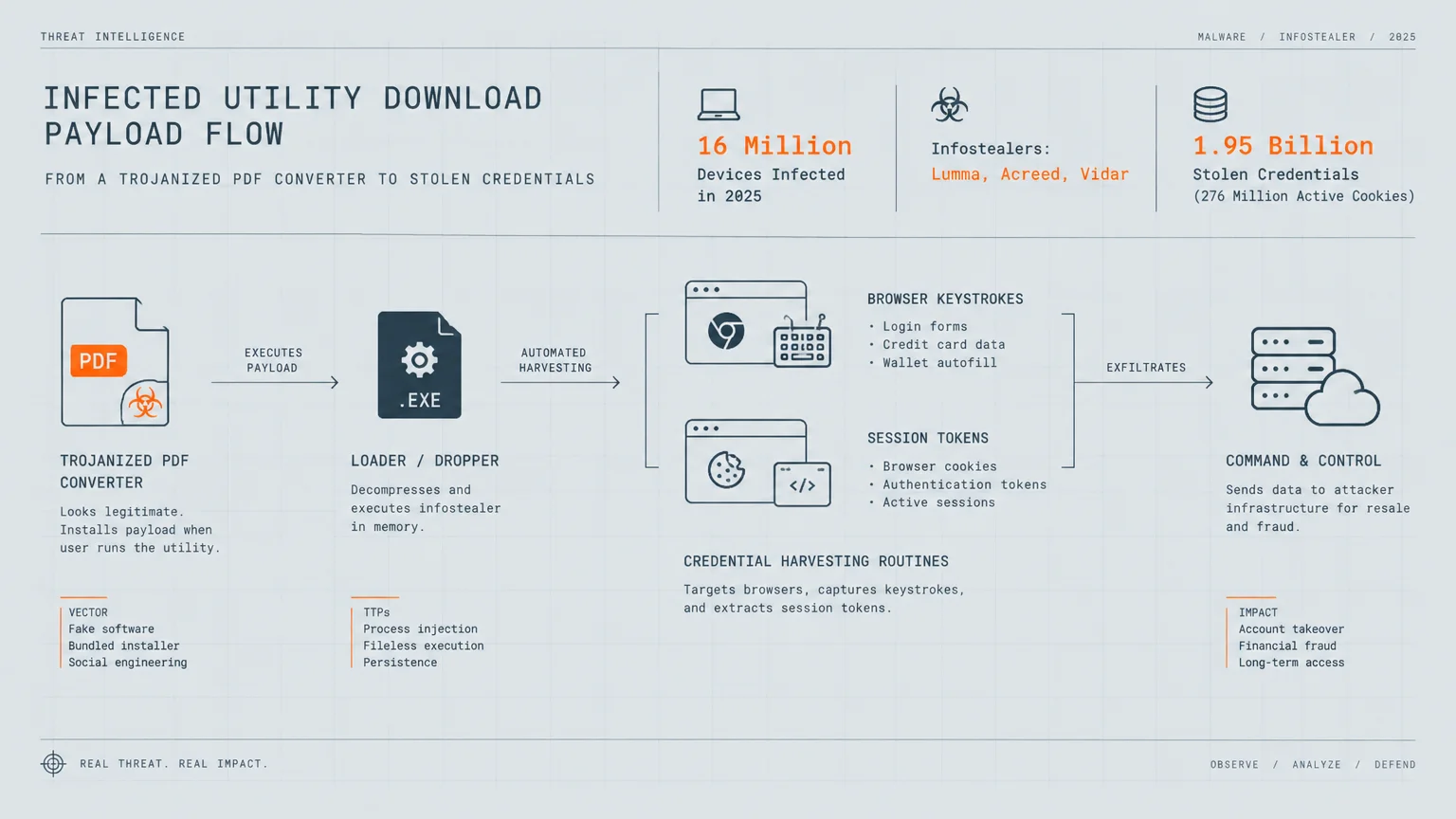
Searching for quick audio converters or free PDF editors often leads straight to infostealer malware. Threat actors hijack organic search results for routine productivity utilities, disguising dangerous trojans as helpful installation packages.
The IBM 2026 X-Force Threat Intelligence Index revealed that over 16 million devices were infected by infostealer malware in 2025. Variants like Lumma, Acreed, and Vidar siphon data within seconds of installation.
Recorded Future indexed 1.95 billion stolen credentials in 2025, including 276 million active session cookies. These hijacked session cookies allow digital criminals to bypass your two-factor authentication without entering a password.
- Infostealer scripts harvest saved browser passwords, cryptocurrency wallets, and authentication cookies instantly.
- Attackers buy sponsored listings that clone genuine open-source utilities like Blender, OBS, and Notepad++.
- Download utility software exclusively from primary vendor repositories or official platform app stores.

Viral Hit #4: Unverified Driver Downloads
Searching for obscure hardware drivers when your printer or graphics card falters creates extreme vulnerabilities. Shady driver aggregators bundle invasive spyware and rootkits with corrupted configuration files.
Independent security institute AV-TEST reported that total known malware samples surpassed 1.56 billion in 2025. Furthermore, automated security systems register between 450,000 and 560,000 new malicious programs every single day.
Installing driver packages from third-party forums grants malicious files kernel-level access to your operating system. Always update your internal hardware directly through built-in system update utilities or manufacturer dashboards.
- Third-party driver databases often repackage outdated code with commercial keyloggers.
- System-level privileges allow malware to survive factory resets and evade standard antivirus scans.
- Rely solely on certified manufacturer support portals for hardware firmware patches.

Viral Hit #5: Your Everyday Medical Symptoms
Typing minor aches into a search bar sparks instant psychological distress known as cyberchondria. Search algorithms prioritize rare, alarming medical conditions because catastrophic scenarios drive high click-through rates.
A simple tension headache quickly morphs into an unverified diagnosis of an incurable brain aneurysm. You trade peace of mind for sleepless nights and phantom physical symptoms triggered by sheer panic.
Self-diagnosis online also leads patients to delay vital clinical appointments or consume unnecessary herbal supplements. Schedule a consultation with a registered medical practitioner rather than consulting algorithmic symptom checkers.
- Search algorithms prioritize life-threatening medical conditions over benign, everyday causes.
- Stress and health anxiety trigger somatic reactions that mimic the severe illnesses you research.
- Always discuss lingering physical discomfort with a qualified primary care doctor.

Viral Hit #6: Trypophobia
If you have an aversion to clustered holes or honeycomb textures, avoid this query. Image results display disturbing patterns of irregular cavities, frequently photoshopped onto living human skin.
This visceral trigger produces skin crawling, nausea, and intense revulsion across millions of viewers. The visual effect taps into an evolutionary defense mechanism linked to infectious parasites and rotting organic matter.
Curious searchers who type this term hoping for a scientific explanation inevitably regret loading the picture gallery. Once those jarring geometric patterns settle in your memory, shaking them off takes hours.
- The phobia involves an intense aversion to repeating patterns of tiny holes, bumps, or pores.
- Viral internet artists create heavily manipulated visual mockups to maximize viewer discomfort.
- Close your browser tab immediately if repetitive biological imagery triggers sensory distress.
Viral Hit #7: Your Bank’s Direct Login Page
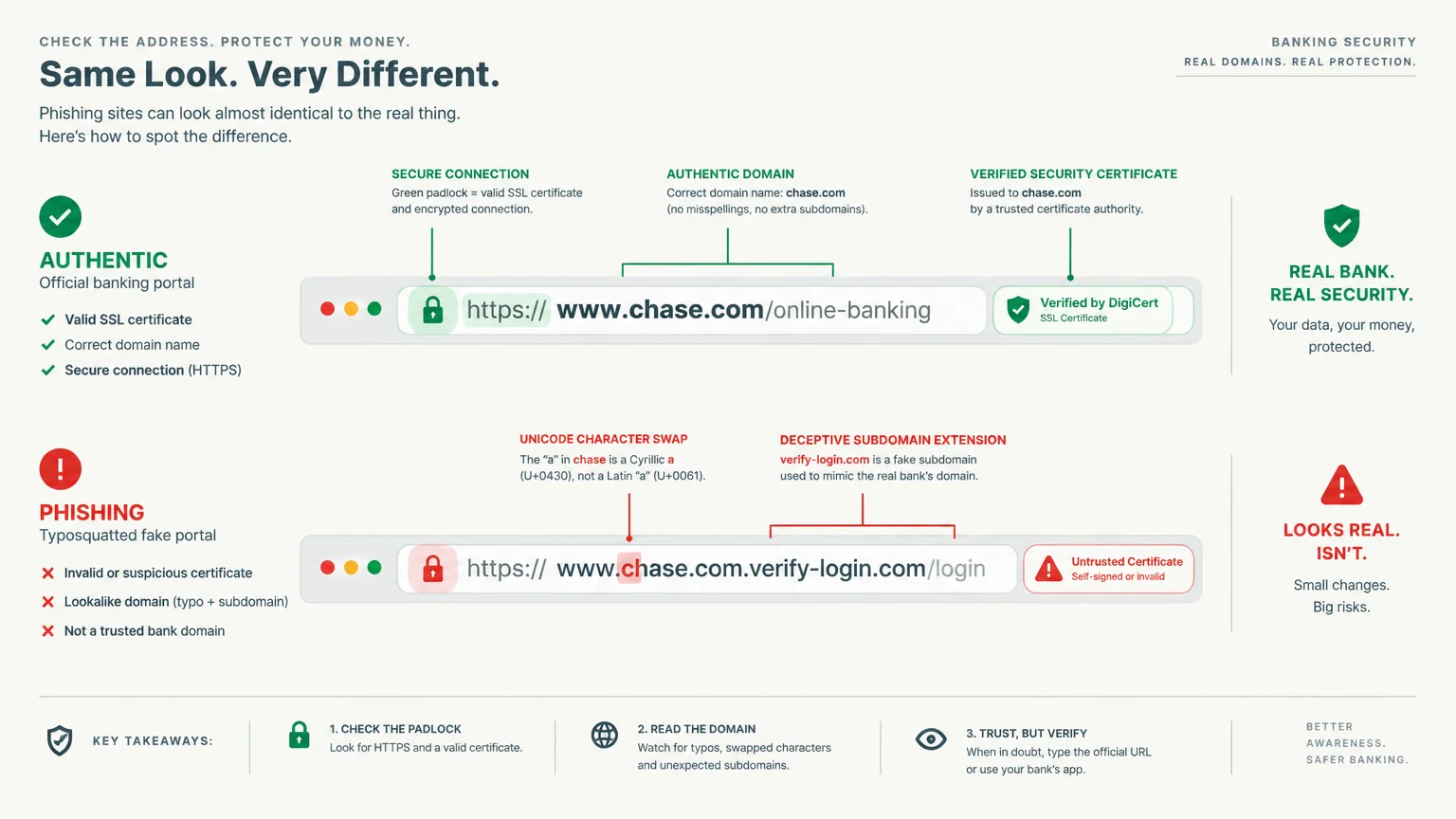
Typing your financial institution’s name into a search bar invites disastrous account takeover attempts. Organized cyber syndicates buy search ads that direct account holders to identical phishing portals.
These spoofed banking pages capture your login credentials, personal identification numbers, and one-time security codes simultaneously. The fraudulent server logs you into the real bank while quietly draining your checking balance.
Maintaining basic internet safety requires never relying on search engines for sensitive financial gateways. Bookmark your financial portal directly, or conduct all monetary transactions inside a verified mobile banking application.
- Phishing portals mimic authentic banking logos, color schemes, and security certificates seamlessly.
- Ad blockers cannot guarantee complete protection against newly indexed sponsored phishing URLs.
- Always verify the exact domain name and browser security lock icon before entering account credentials.

Viral Hit #8: Calculus Bridge
Dental hygiene queries can take a sudden, nightmarish turn when you search for this dental phenomenon. Rather than an architectural triumph, a calculus bridge represents an extreme accumulation of hardened dental plaque.
When individuals avoid dental cleanings for years, calcium deposits form a solid, calcified shelf across the gumline. Clinical extraction videos show dental hygienists chipping away enormous slabs of mineralized calculus.
The underlying gums appear severely inflamed, and removing the mass often leaves teeth loose and exposed. It serves as ultimate motivation to brush daily, but the imagery will spoil your appetite.
- The condition occurs when untreated plaque absorbs minerals from saliva, petrifying across multiple teeth.
- Dental extraction footage has become a morbidly viral subgenre on video sharing platforms.
- Routine professional dental checkups prevent calcified buildup from threatening your oral health.
Viral Hit #9: Smokers’ Lungs vs. Healthy Lungs
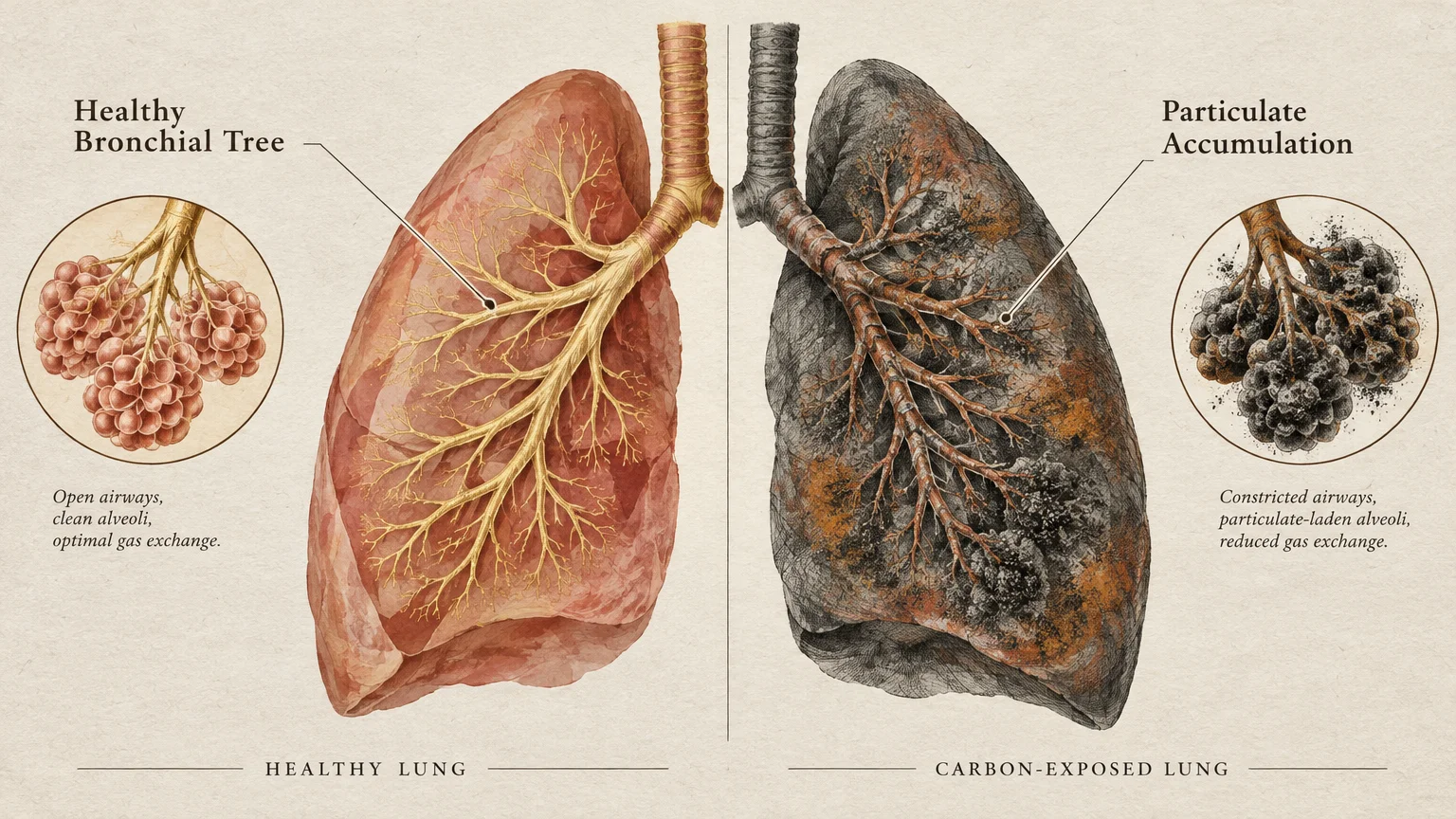
Health class teachers frequently reference this comparison, but unmoderated search engines present brutal reality. Side-by-side medical photographs display healthy pink lung tissue directly against blackened, tar-encrusted organs harvested during autopsies.
Watching laboratory inflation demonstrations of diseased lungs provides an unforgettable shock. The diseased tissue struggles to expand, revealing stiff, cancerous nodules and scarred air passages.
While the visual contrast offers powerful anti-smoking motivation, the vivid pathological details can overwhelm sensitive viewers. If you want smoking cessation resources, look up public health clinics rather than pathology archives.
- Gross pathology photographs document decades of inhaled carcinogenic residue and carbon accumulation.
- Ventilation tests demonstrate the tragic loss of natural elasticity in emphysemic lung tissue.
- Official health organizations provide actionable cessation tools without relying on graphic shock imagery.

Viral Hit #10: Bedbug Infestations
Researching parasitic household insects induces immediate psychological torment and psychosomatic itching. Searching for mattress infestations pulls up high-definition macro photos of nocturnal bloodsuckers swarming seam stitches and headboards.
Seeing hundreds of rust-colored bugs packed into furniture corners triggers compulsive mattress checks that can disrupt your sleep for weeks. You will feel imaginary insects crawling over your skin every time you lie down.
Unless you suspect an active infestation in your home, keep these repulsive images off your screen. If you travel, inspect luggage and hotel sheets quietly without browsing terrifying close-up photo galleries.
- Macro photography highlights translucent nymph clusters, shed exoskeletons, and fecal stains on fabric.
- Browsing pest photography frequently leads to delusional parasitosis, making individuals feel false crawling sensations.
- Hire certified pest control technicians to inspect potential bug threats using professional monitoring tools.

Viral Hit #11: Degloving Injuries
Among the most notorious weird google searches, this industrial trauma query sits in a league of its own. The term describes horrific mechanical accidents where skin and tissue get peeled cleanly from the underlying bone.
Factory mishaps, wedding rings catching on machinery, and high-speed road collisions produce these devastating wounds. Unfiltered search results serve up raw surgical photography that challenges even seasoned medical professionals.
The sheer mechanical brutality of these emergency room cases leaves an indelible imprint on your mind. Industrial safety videos warn against loose jewelry for good reason, but you do not need graphic photographic proof.
- The injury occurs when immense friction tears cutaneous tissue away from muscle, tendon, and skeleton.
- Surgical teams face complex reconstruction procedures requiring intensive microsurgical revascularization.
- Workplace safety guidelines enforce strict no-ring policies around operating industrial machinery.
Viral Hit #12: Blue Waffle
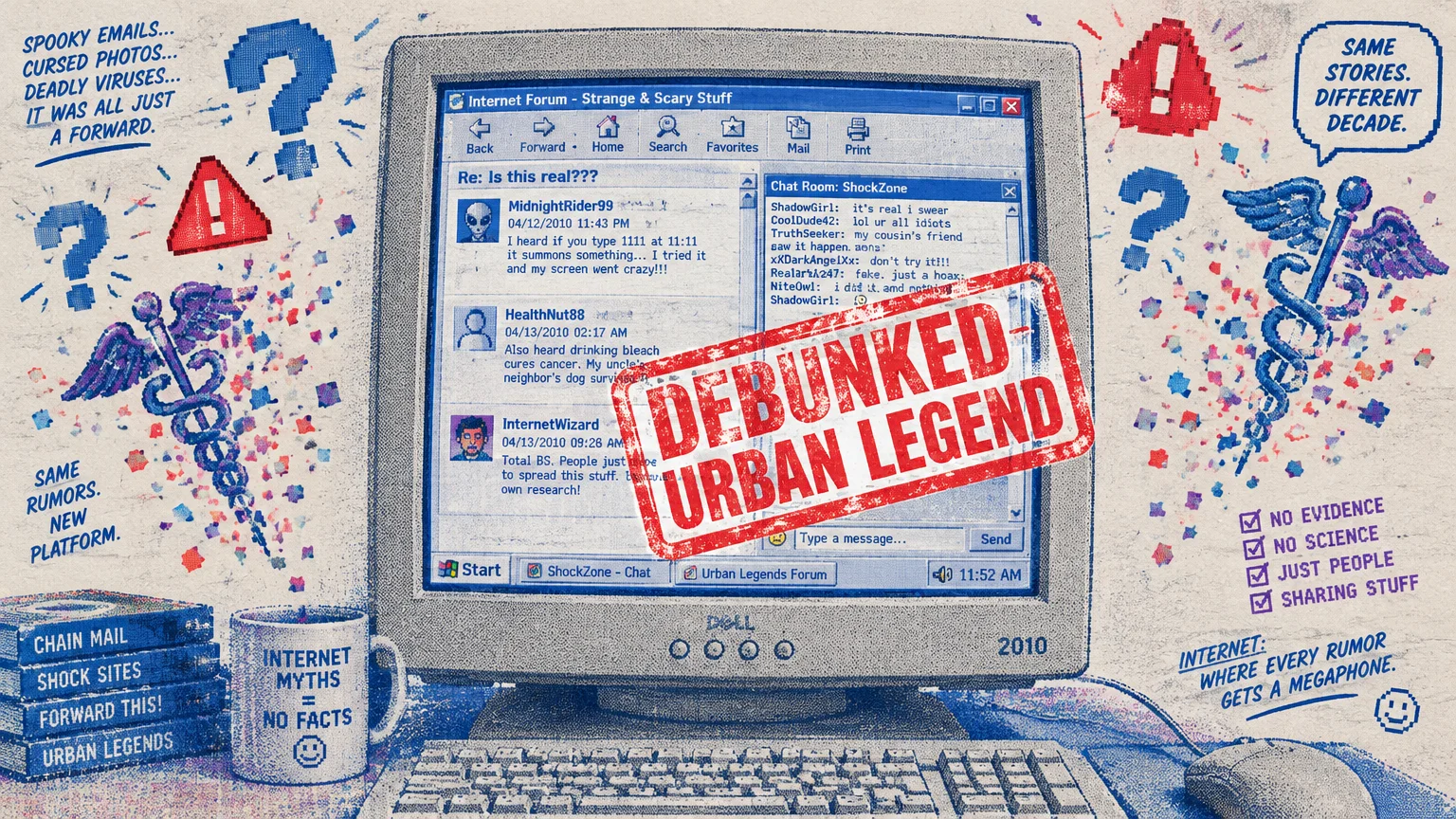
Originating in the late 2000s, this infamous prank remains a rite of passage among curious teenagers. Playground rumors claimed it represented a newly discovered, sexually transmitted disease that turned intimate anatomy blue.
In reality, the phenomenon was a completely fabricated hoax created with digital photo editing tools. Despite being debunked repeatedly, the horrifying manipulated imagery continues to shock unsuspecting searchers seeking breakfast recipes.
This viral relic demonstrates how fast fictitious health scares travel across unregulated message boards. Medical associations confirmed long ago that the condition does not exist outside internet prank culture.
- The urban myth originated around 2008 on anonymous message boards as a shock image campaign.
- Medical professionals quickly debunked the claim, confirming no such pathology exists in medical science.
- The hoax highlighted how internet shock culture weaponized medical misinformation for laughs.

Viral Hit #13: Two Girls One Cup
In 2007, a short preview for a repulsive Brazilian fetish film became an unavoidable viral cultural phenomenon. Internet users filmed their friends recoiling in horror, pioneering the modern reaction video format on early social video networks.
The underlying clip features coprophilic acts that instantly induce vomiting and profound disgust. Searching for the source video exposes you to repulsive, offensive content that serves no constructive purpose.
While the reaction craze helped define early YouTube culture, the source footage remains completely unpalatable. Leave this gross-out relic buried in digital history where it belongs.
- The clip sparked thousands of early reaction videos, creating an influential viral entertainment template.
- Mainstream talk shows, comedians, and cultural critics debated the bizarre psychology behind shock content.
- Modern platforms filter extreme fetish media to protect digital audiences from inadvertent exposure.
Viral Hit #14: Harlequin Ichthyosis
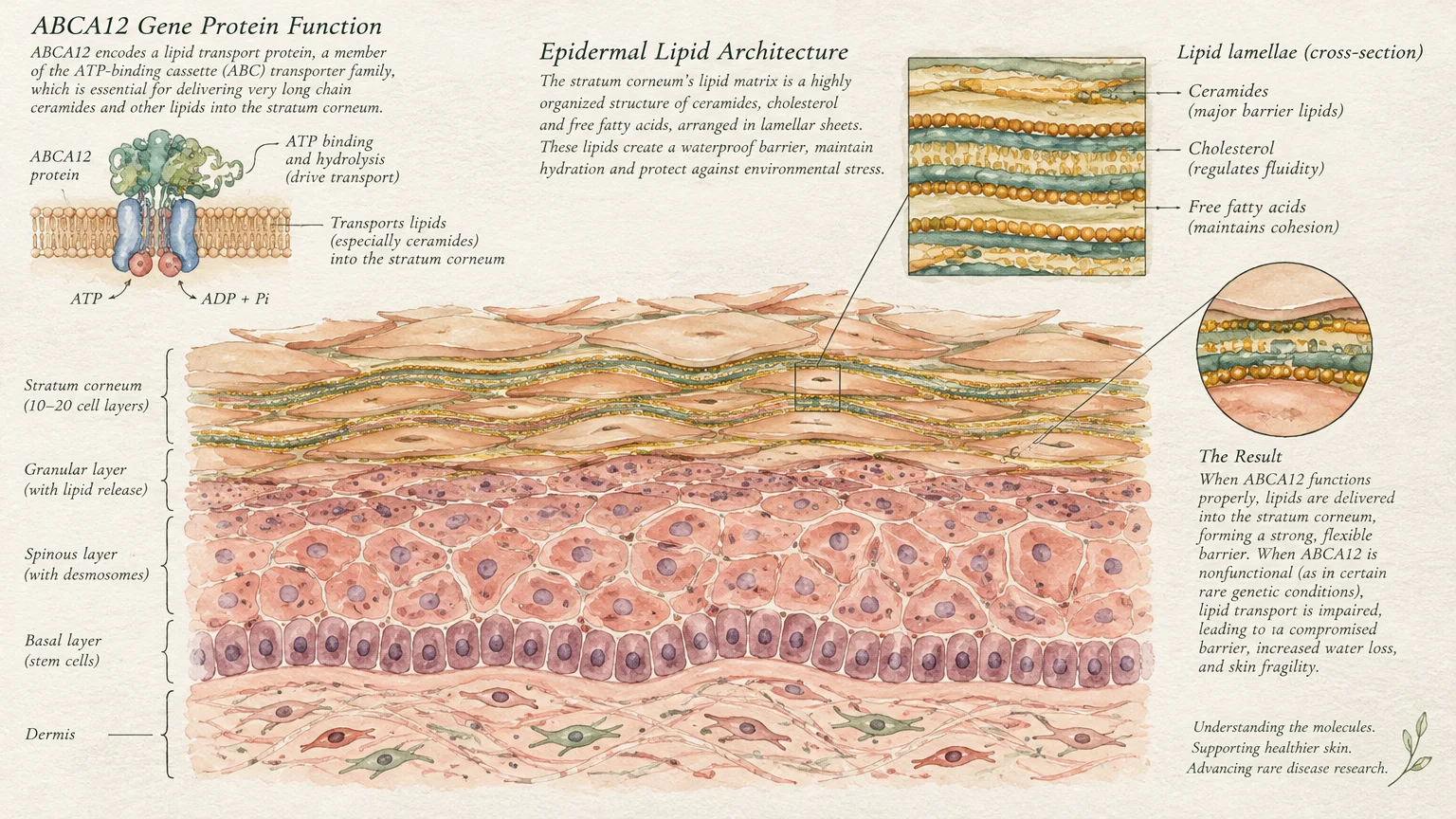
This rare genetic disorder affects newborns, causing severe mutations in the skin’s protective lipid barrier. Infants are born encased in thick, diamond-shaped keratin plates separated by deep, agonizing fissures.
Unsuspecting searchers seeking medical terminology find themselves staring at heartbreaking neonatal clinical photography. The dramatic visual distortion of facial features creates deep emotional distress for unprepared viewers.
Modern pediatric dermatology has dramatically improved survival rates with intensive neonatal treatments. Nevertheless, browsing these medical files out of morbid curiosity feels intrusive and profoundly upsetting.
- Mutations in the ABCA12 gene prevent skin cells from synthesizing essential lipid transport mechanisms.
- Modern retinoid therapies and specialized humidified incubators now allow many affected infants to survive.
- Viewing neonatal trauma queries without clinical purpose causes needless emotional shock.
Viral Hit #15: Your Personal Email and Phone Number
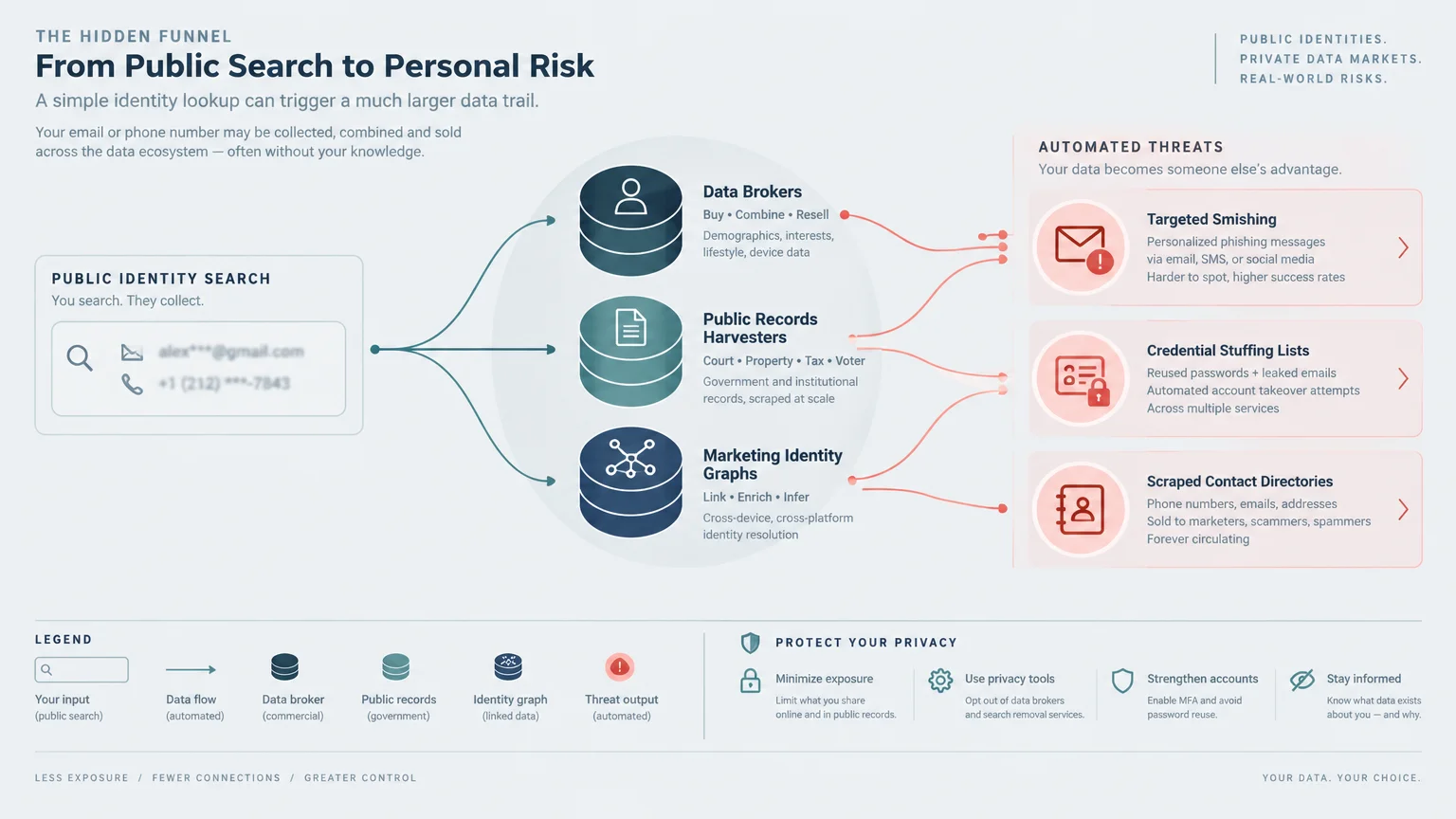
Googling your own contact credentials delivers an unsettling look into the sprawling data aggregation industry. You will quickly discover public profiles listing your home address, relatives, financial estimates, and voter registration records.
Data broker aggregators harvest public records, scraping digital breadcrumbs you leave across shopping apps and social platforms. Finding your private details indexed openly online sparks acute privacy anxiety and helplessness.
Instead of panicking, take structured steps to submit formal data opt-out requests with major data brokers. Use established privacy tools to scrub your personal footprint across commercial advertising directories.
- Commercial data brokers package consumer browsing trails, property titles, and contact lists for resale.
- Public exposure fuels targeted spear-phishing attacks, identity theft, and aggressive telemarketing scams.
- European privacy regulations empower citizens to demand immediate data erasure from commercial databases.

Viral Hit #16: Fournier’s Gangrene
First described in 1883 by a French venereologist, this acute bacterial nightmare destroys soft perineal tissue with terrifying speed. The flesh-eating infection spreads rapidly across genital muscles, requiring radical surgical debridement to save the patient.
Clinical image galleries showcase massive open wounds and extensive tissue necrosis. Medical students consider these case files among the most visually harrowing topics in modern surgical training.
Typing this term into an unfiltered search engine exposes you to graphic surgical trauma that defies imagination. Trust medical textbooks to document the pathology without subjecting yourself to raw operative imagery.
- The condition involves a rapid, synergistic polymicrobial infection causing microvascular thrombosis and tissue death.
- Emergency treatment demands massive intravenous antibiotic therapy combined with immediate, aggressive surgical resection.
- Morbid medical queries often surface graphic post-operative clinical photographs without warning.
Viral Hit #17: Dangerous Weapons and Explosives Guides
Searching for recipes to manufacture improvised explosives or illegal weaponry triggers immediate red flags across national security monitoring infrastructure. Search queries containing high-risk keywords get logged and analyzed by automated algorithmic threat trackers.
Even innocent creative writers or curious students researching fiction novels can inadvertently trigger security flags. You risk attracting unwanted law enforcement scrutiny or experiencing sudden account suspensions from your internet service provider.
Keep your search history clean of weaponized chemistry, bomb schematics, and illicit weapons modifications. Scholarly history books provide ample context on historical warfare without placing your IP address on an intelligence watchlist.
- Automated surveillance filters monitor search engine activity for chemical precursors and weaponization guides.
- Security agencies cross-reference flagged search trends with local telecom metadata to detect domestic threats.
- Research military history through academic libraries rather than inputting volatile DIY manufacturing terms.
Viral Hit #18: Mouth Larva
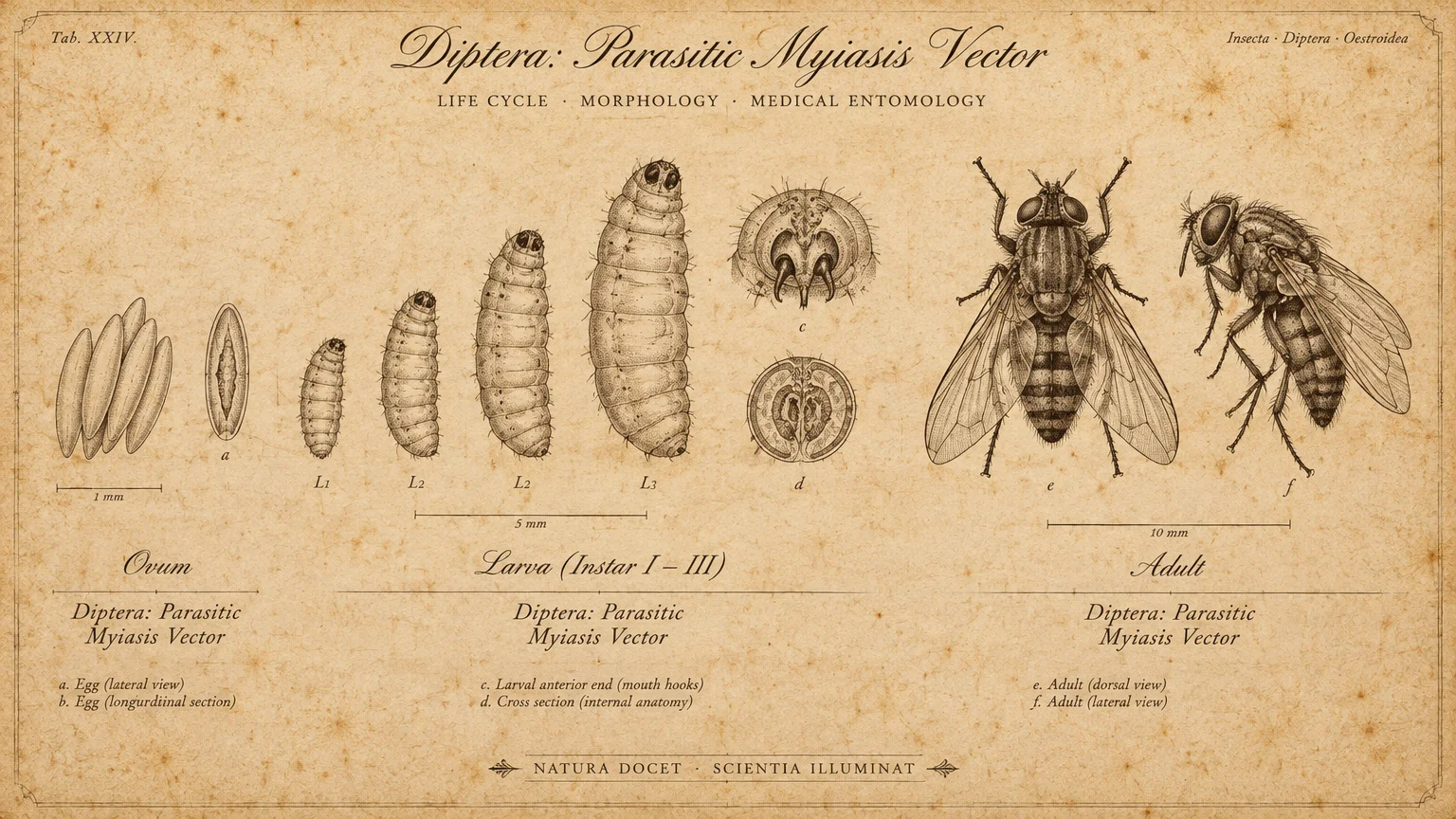
Parasitic infections produce pure nightmare fuel, but oral myiasis stands above the rest in pure shock value. The condition develops when fly larvae infest necrotic, neglected wounds inside the human mouth.
High-resolution clinical videos reveal live maggots wriggling through infected gingival tissue and deep oral cavities. The visual horror of active parasites crawling across teeth and gums triggers intense gag reflexes.
The condition remains exceptionally rare, typically affecting neglected patients living with severe psychiatric or physical debility. Searching for it will do nothing except make you obsessively check your mouth in the mirror.
- Dipterous fly species deposit eggs in open oral wounds, where larvae feed on decaying tissue.
- Extreme poverty, poor dental hygiene, and physical helplessness represent primary risk factors for the disease.
- Standard oral hygiene routines and basic dental care eliminate the risk of oral parasitic infestation.

Viral Hit #19: Unregulated Skin Bleaching Creams
Searching for extreme skin lightening transformations leads straight into a hazardous world of illegal cosmetics. Bootleg cosmetic formulations bought online frequently contain dangerous levels of industrial mercury, topical steroids, and hydroquinone.
Before-and-after photo galleries show disastrous consequences, including severe chemical burns, irreversible skin thinning, and permanent bluish-black hyperpigmentation known as ochronosis. Users suffer organ damage while pursuing unrealistic beauty ideals.
Regulatory authorities continually seize these toxic skin products, but rogue vendors continue targeting vulnerable consumers through search advertising. Treat your natural skin barrier with respect and avoid miraculous cosmetic shortcuts.
- Black market whitening formulas often contain toxic mercury compounds that poison kidney systems.
- Prolonged steroid abuse in unregulated skincare causes skin atrophy, stretch marks, and systemic hormonal disruption.
- Consult licensed dermatologists for verified, safe clinical treatments addressing hyperpigmentation issues.

Viral Hit #20: Mr. Hands
In 2005, an infamous incident in Enumclaw, Washington, resulted in the tragic death of a Boeing engineer following bestiality. The incident led Washington state lawmakers to outlaw acts of bestiality, closing a bizarre legal loophole.
A grainy video documenting the horrific encounter circulated widely across early peer-to-peer file-sharing networks and shock sites. Unsuspecting users were frequently tricked into viewing the clip through deceptive bait-and-switch links.
The legacy of this case highlights the darkest underbelly of internet shock history. It serves as a stark reminder that some corners of digital history should never be explored.
- The 2005 Enumclaw tragedy prompted immediate legislative action to criminalize bestiality in Washington state.
- The case inspired mainstream documentary investigations examining dangerous subterranean subcultures and viral internet lore.
- Curiosity regarding vintage shock videos exposes users to grotesque real-world fatalities.

Keep the Buzz Going: How to Share Responsibly
Navigating modern social platforms requires a delicate balance of boundless curiosity and responsible digital citizenship. Before you share sensational claims or viral shock screenshots with friends, take a quick moment to verify the source.
Unchecked rumors spread far faster than accurate reporting across social networks, triggering unnecessary panic and confusion. Crediting primary creators and verifying information helps sustain a healthier, more trustworthy online community for everyone.
Protect your peers by refusing to amplify unverified medical hoaxes or links leading to suspicious software downloads. Cultivating thoughtful internet safety habits ensures digital media remains an entertaining, informative space rather than a toxic minefield.
For verified reporting and fact-checking, rely on outlets like Reuters and rumor-busting sites such as Snopes. For platform policy updates, follow official resources like the Google Transparency Report.
Frequently Asked Questions
Why do dangerous search results rank so highly on Google?
Cybercriminals use sophisticated search engine optimization techniques and paid advertising campaigns to artificially boost their rankings. Search algorithms constantly evaluate billions of pages, creating temporary ranking windows that malicious actors exploit.
Can simply searching for shock content get you in legal trouble?
Simply viewing gross-out medical curiosities or harmless internet hoaxes is not illegal, though it may leave you unsettled. However, queries involving bomb manufacturing, child exploitation, or terrorism trigger immediate legal scrutiny and automated threat detection.
How can I protect my browser against poisoned search results?
Keep your web browser updated, run reputable security software, and never download executable files from unverified third-party sources. Furthermore, avoid clicking on sponsored search advertisements when searching for critical banking or customer service portals.
Why do people feel compelled to search for disturbing imagery?
Morbid curiosity is a natural human psychological response that helps individuals process taboo or dangerous scenarios from a safe distance. However, digital images lack physical safety barriers, frequently exposing viewers to genuine emotional distress.
Disclaimer: Viral stories evolve quickly. Always verify details with primary sources before sharing or acting on this content.







Leave a Reply