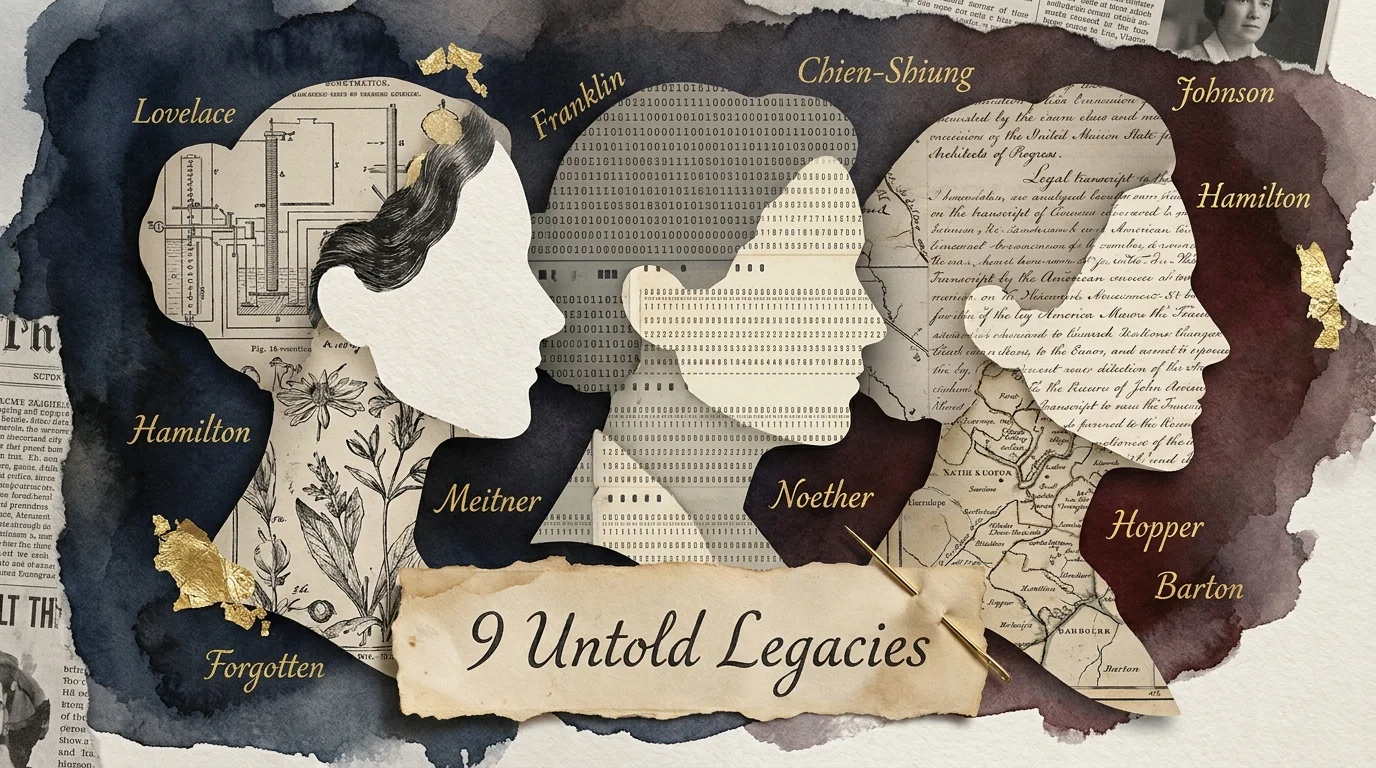
Discover the hidden architects of progress who shaped the nation but vanished from the spotlight. You already know the names of famous presidents, but the true driving force behind monumental shifts often came from uncredited trailblazers. This curated list reveals nine remarkable female historical figures who defied societal expectations to pioneer breakthroughs in science, civil rights, and the arts. Their forgotten legacies offer more than just women history facts; they provide actionable inspiration for challenging today’s boundaries. By exploring these unsung heroines America overlooked, you gain a deeper understanding of the diverse voices that truly built the modern world. Dive into these powerful narratives and arm yourself with stories that redefine our shared cultural heritage.

Editor’s Pick #1: Eunice Newton Foote and the Climate Revolution
You likely recognize modern scientific communicators like Carl Sagan or Neil deGrasse Tyson, but climate science owes a massive debt to Eunice Newton Foote. In 1856, this amateur scientist conducted an experiment using glass cylinders and mercury thermometers to measure the heating effect of the sun on different gases. Her work demonstrated that carbon dioxide absorbs heat, effectively discovering the greenhouse effect.
Despite her groundbreaking findings, male colleagues presented her paper at the American Association for the Advancement of Science, pushing her contributions into obscurity. For over a century, textbooks credited male scientists with her identical discoveries.
Today, climate activists and digital historians are resurrecting her legacy across educational platforms. Acknowledging Foote’s meticulous work highlights how many forgotten women history USA left behind. You can honor her legacy by actively seeking out the foundational science crafted by marginalized researchers and amplifying their names in your own environmental advocacy.
Editor’s Pick #2: Claudette Colvin and the Spark of the Boycott
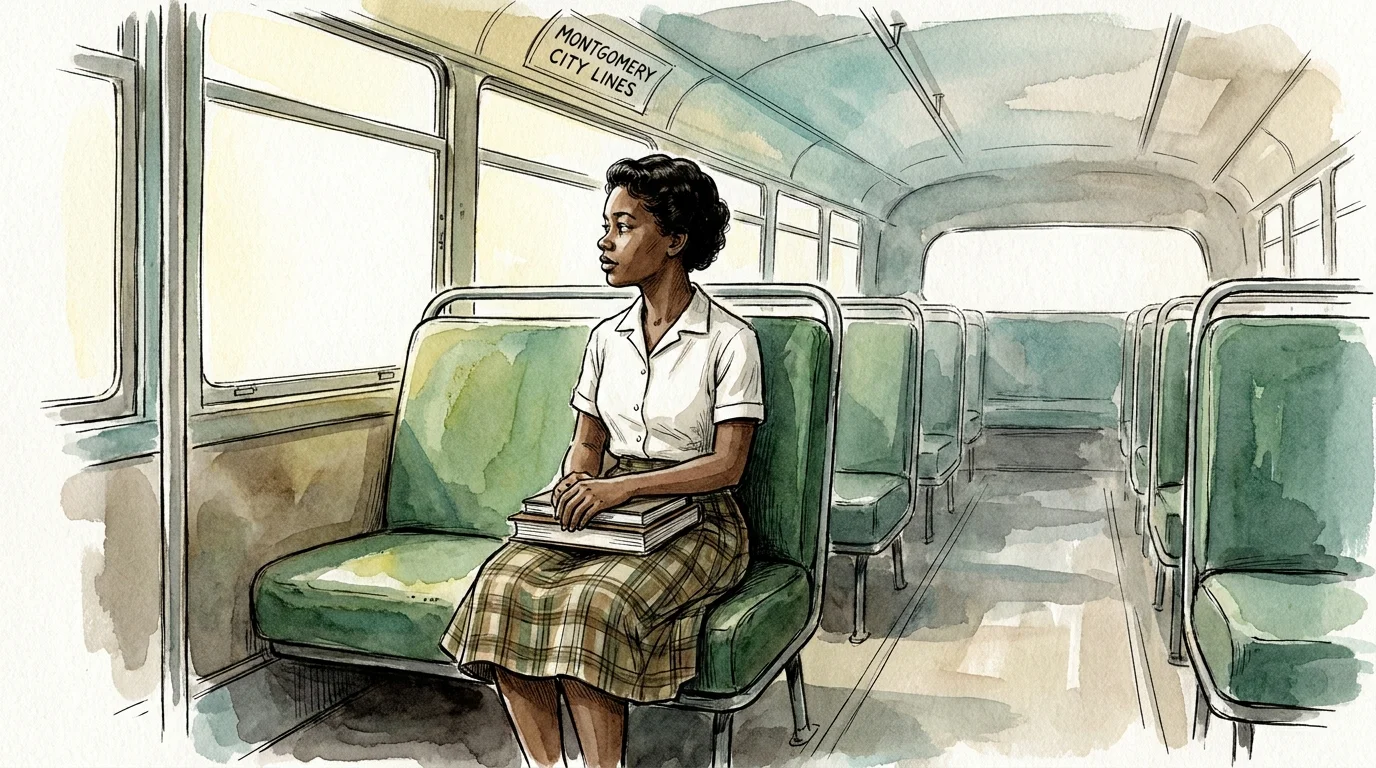
Nine months before Rosa Parks became the undisputed face of the Montgomery bus boycott, a fiercely determined fifteen-year-old girl named Claudette Colvin refused to surrender her seat to a white passenger. Arrested and subjected to intense public scrutiny, Colvin stood firm in her constitutional rights and actively challenged local segregation laws.
Civil rights leaders eventually chose Parks as the movement’s focal point, fearing a teenager might not command the necessary political respect from a deeply prejudiced public. Parks herself served as a mentor to Colvin, recognizing the undeniable spark of justice in the young student, yet Colvin’s personal sacrifice faded from standard historical narratives.
Colvin’s erasure underscores the complex optics and strategic decisions that define major social movements. By studying her unyielding courage, you uncover a more nuanced view of civil rights organizing. Use her story to teach younger generations that activism does not require a flawless public profile—only the bravery to demand justice.

Editor’s Pick #3: Gladys West and the Mathematics of Navigation
Every time you navigate heavy traffic using your smartphone or tag a location online, you rely heavily on the brilliance of Gladys West. As a mathematician at the Naval Surface Warfare Center, West programmed an advanced IBM computer to model the exact shape of the Earth.
She processed complex algorithms analyzing data from satellites to determine exact gravitational pull and tidal forces. This generated the incredibly precise geodetic data required to develop the Global Positioning System (GPS). For decades, her monumental achievement remained classified or simply ignored by mainstream tech narratives.
Her recent induction into the Air Force Space and Missile Pioneers Hall of Fame cements her rightful status among the most vital innovators of the twentieth century. West’s trajectory from a rural Virginia farm to the forefront of satellite technology proves that foundational innovations often originate outside traditional power centers. Take a moment to appreciate the complex mathematics powering your daily convenience.
Editor’s Pick #4: Mary Golda Ross and the Stars of Aerospace
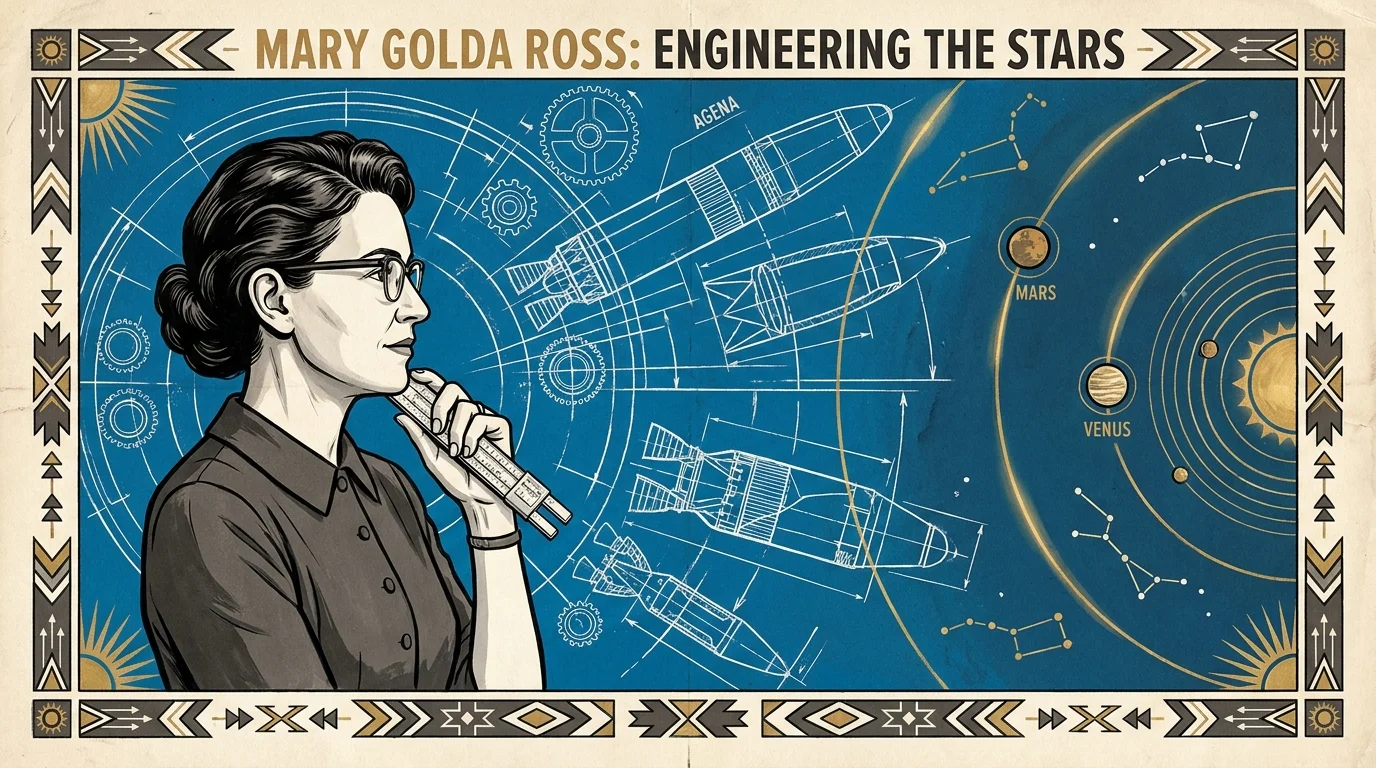
During the intense height of the space race, Mary Golda Ross worked secretly on interplanetary space travel concepts as the first Native American female engineer at Lockheed Martin. A citizen of the Cherokee Nation, Ross joined the elite Skunk Works division.
She sat alongside brilliant minds in a secretive think tank, sketching orbital trajectories with pencil and slide rule. Ross drafted preliminary design concepts for the Agena rocket and early proposed missions to Venus and Mars. Because her projects involved highly classified Cold War technology, her genius remained largely hidden from public view.
Ross viewed mathematics as a universal language, seamlessly blending her Cherokee heritage’s emphasis on harmony with cutting-edge aerospace engineering. Highlighting her career encourages a broader understanding of indigenous contributions to STEM fields. You can champion her legacy by supporting organizations that promote aerospace education and digital literacy for young Native American students.
Editor’s Pick #5: Jovita Idar and the Power of the Press
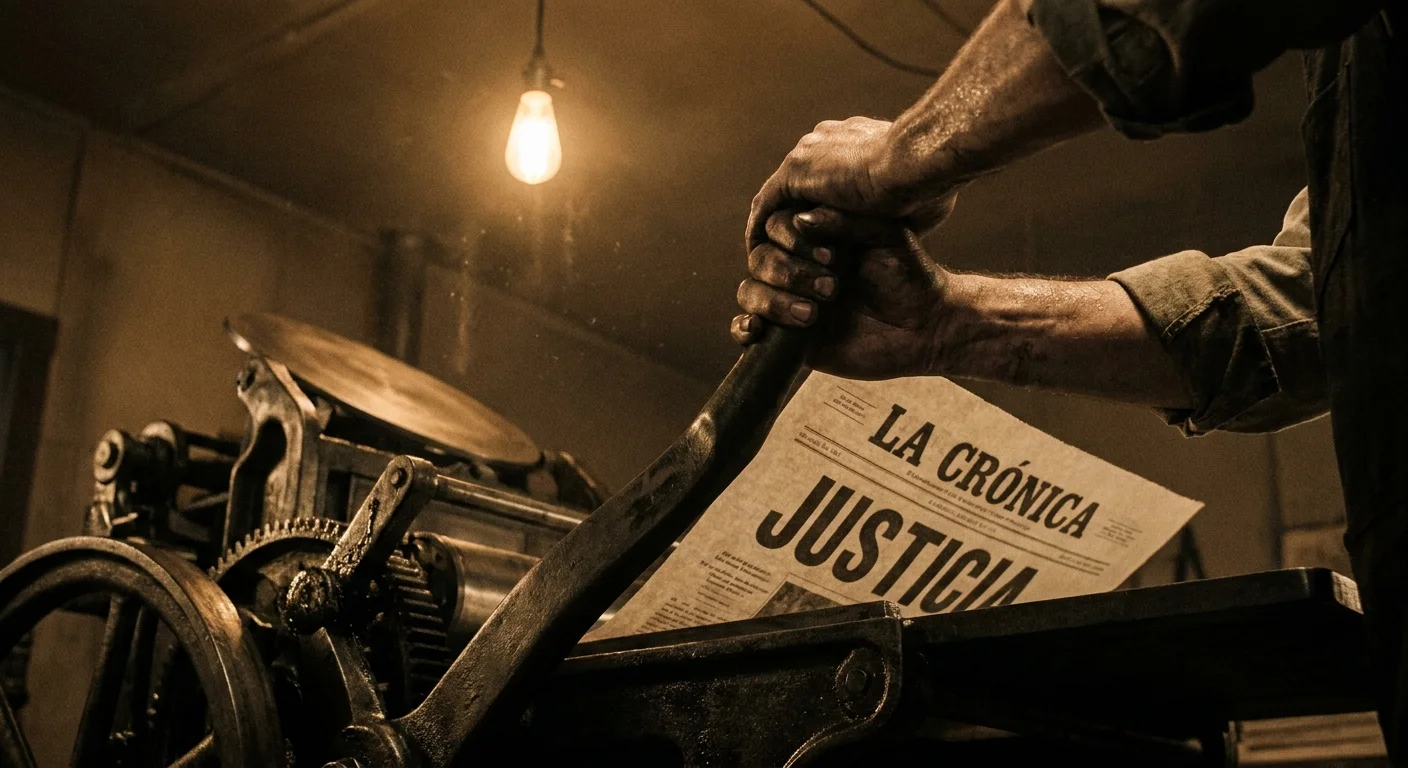
In the early twentieth century, the Texas-Mexico border was a volatile landscape where Mexican-Americans faced intense discrimination, educational segregation, and violence. Jovita Idar stood against this systemic oppression armed only with a printing press and an unbreakable will.
Operating out of Laredo, Texas, she wrote blistering editorials for her family’s newspaper, La Crónica. As a fearless journalist, she famously blocked the entrance of her newspaper office to prevent armed Texas Rangers from shutting down its operations after she published an article criticizing military intervention.
Idar’s fierce advocacy extended beyond journalism; she founded the League of Mexican Women to provide education and vital resources to impoverished communities. When you consume modern independent media, remember Idar’s uncompromising defense of the press and her commitment to speaking truth to armed authority.
Editor’s Pick #6: Elizabeth Freeman and the Blueprint for Freedom
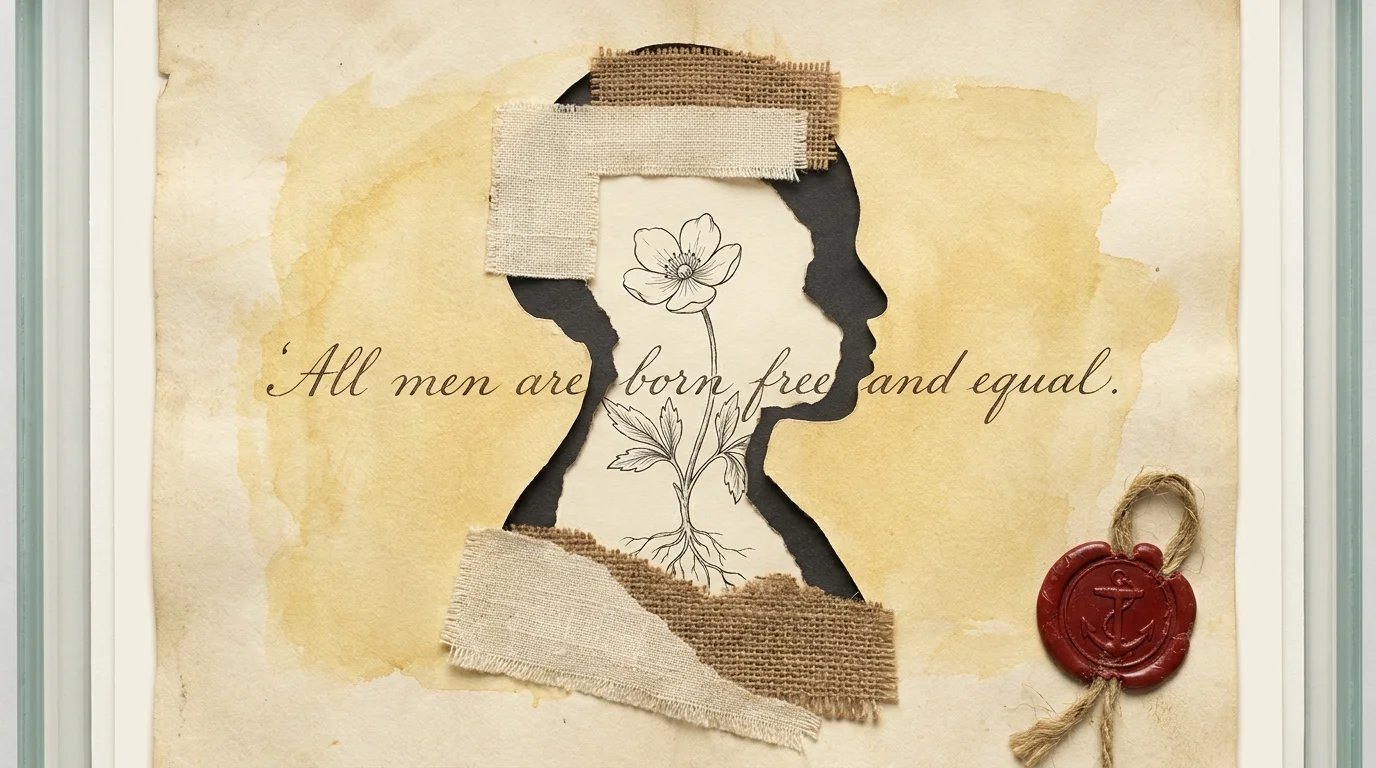
Decades before the Emancipation Proclamation, an enslaved woman known as Mum Bett listened closely to a public reading of the newly drafted Massachusetts Constitution, which declared that all men are born free and equal. Armed with those exact legal words, she decided to challenge the state.
She enlisted the help of Theodore Sedgwick, a young abolitionist-sympathizing attorney, and sued the state for her freedom in 1781. She won her groundbreaking case, took the name Elizabeth Freeman, and effectively set the legal precedent that abolished slavery entirely within the state of Massachusetts.
Freeman’s sharp legal intuition dismantled an oppressive institution through the very laws designed to uphold the status quo. Her monumental victory remains one of the most brilliant strategic moves in legal history. You can apply her analytical approach to modern advocacy by holding institutions strictly accountable to their own stated principles.
Editor’s Pick #7: Sybil Ludington and the Midnight Ride
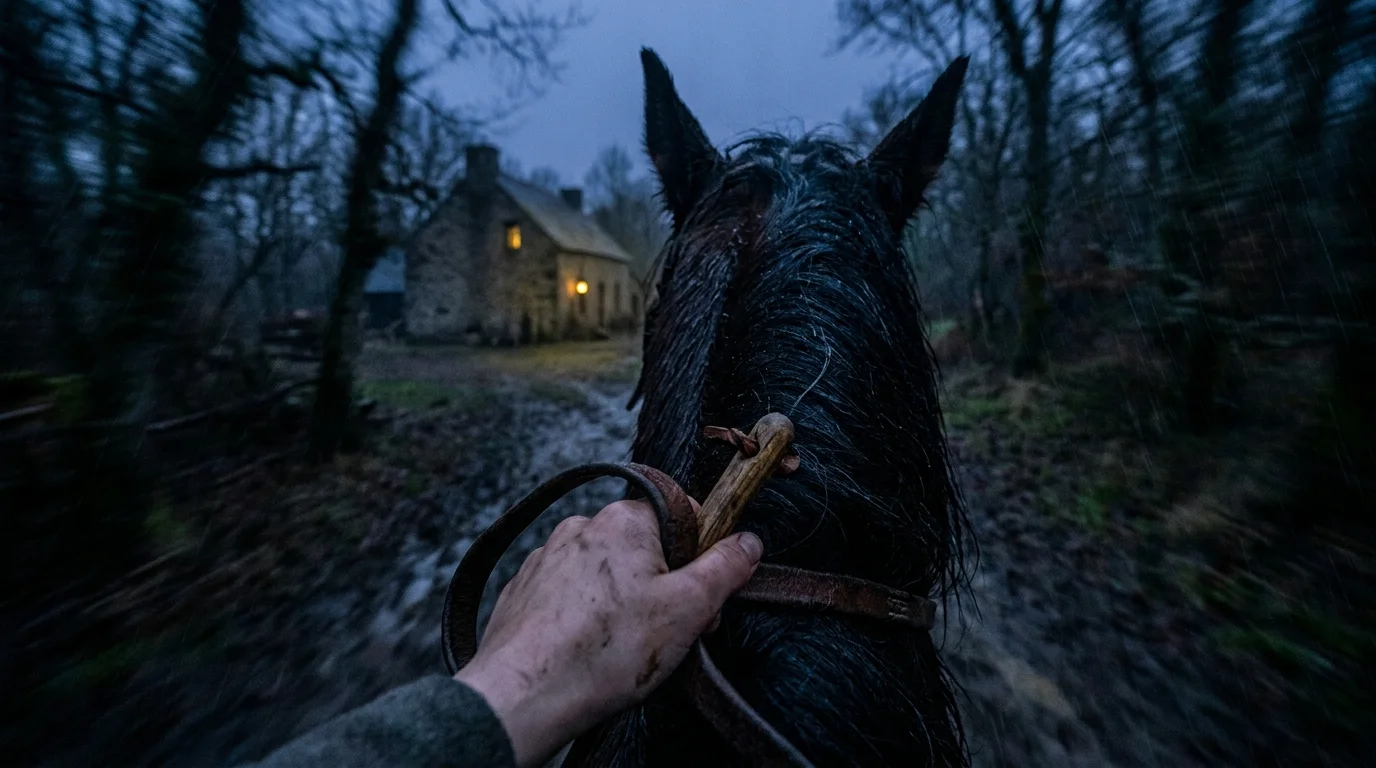
The midnight ride of Paul Revere echoes through every elementary school classroom, yet Sybil Ludington completed a vastly more grueling journey that popular history largely forgot. At just sixteen years old, Ludington mounted her horse and rode through a pounding rainstorm in 1777.
She covered forty miles—more than twice the distance Revere rode—to alert militia members that British troops were burning Danbury, Connecticut. Riding along unpaved, treacherous dirt roads under the cover of darkness, she dodged roving bands of outlaws and British loyalists to deliver her critical message.
Her successful mission allowed her father’s regiment to gather and ultimately repel the advancing forces. Ludington’s physical endurance and patriotic resolve demonstrate that youth never barred individuals from altering the course of the Revolutionary War. Share her thrilling exploit to prove that heroic action demands sheer courage rather than formal authority.

Editor’s Pick #8: Bessie Stringfield and the Open Road
Long before cross-country road trips became a mainstream leisure activity, Bessie Stringfield shattered racial and gender barriers on two wheels. Known as the Motorcycle Queen of Miami, she became the first African-American woman to ride solo across the United States.
She funded her travels by performing motorcycle stunts at carnival shows, tossing a penny onto a map to determine her next destination. During World War II, she translated her unparalleled riding skills into a crucial role as a civilian dispatch rider for the United States military, completing eight long-distance tours through the deeply segregated Jim Crow South.
Stringfield faced severe discrimination, often sleeping on her motorcycle at gas stations when hotels outright refused her a room. Her relentless pursuit of freedom transformed motorcycle culture and paved the way for diverse riding clubs today. When you hit the open road, channel Stringfield’s indomitable spirit.
Editor’s Pick #9: Chien-Shiung Wu and the Laws of Physics
The world of theoretical physics relies on fundamental laws, and Chien-Shiung Wu completely rewrote them. As a leading experimental physicist on the Manhattan Project, Wu developed the precise process for separating uranium isotopes.
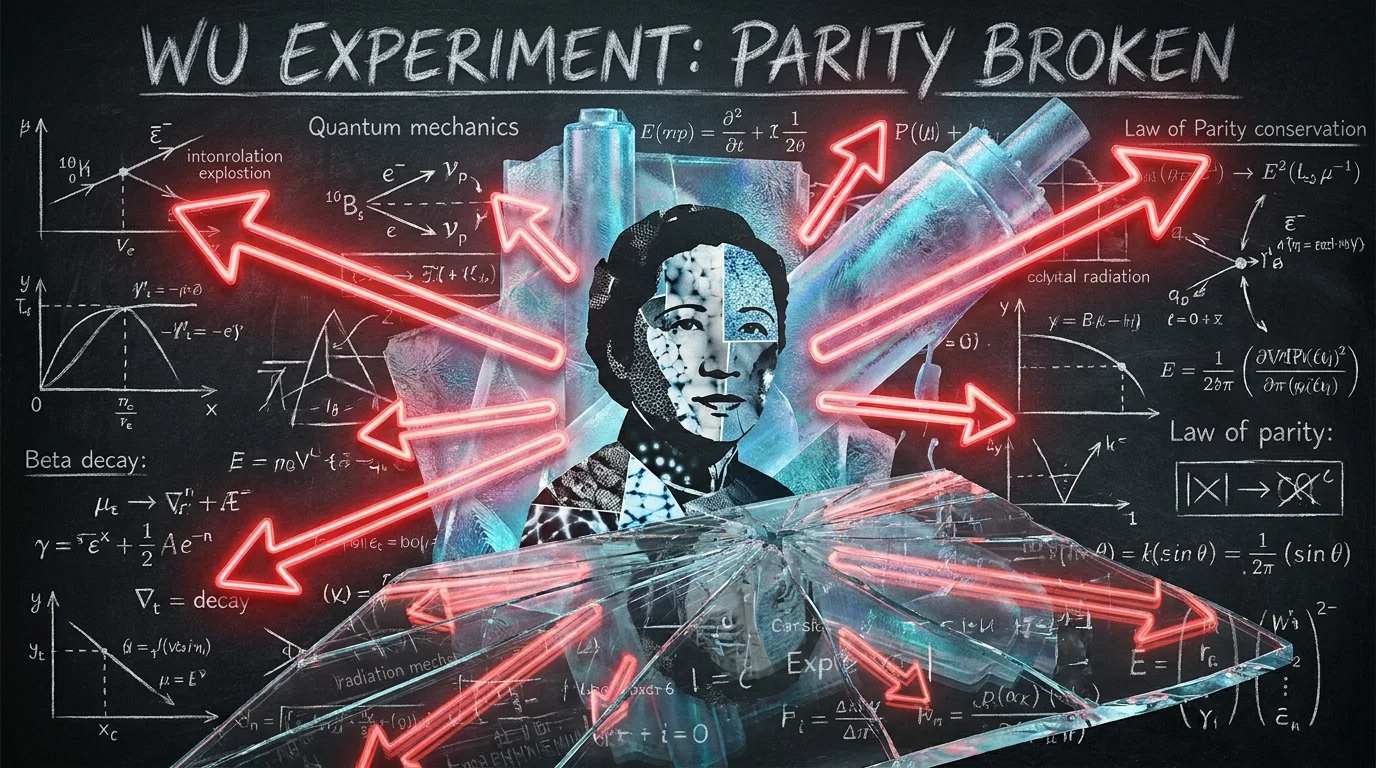
Later, she conducted the famous Wu experiment. Her meticulous experimentation on the beta decay of cobalt-60 isotopes demonstrated that nature actually possesses a distinct left-handed bias, conclusively proving that the long-accepted law of conservation of parity did not hold true in weak nuclear interactions.
Although her male colleagues received the Nobel Prize for the theory she successfully proved, Wu continued her trailblazing research without demanding the spotlight. Nicknamed the First Lady of Physics, she shattered the glass ceiling in a fiercely male-dominated scientific community. By studying her rigorous methodology, you gain practical insights into pursuing excellence and demanding empirical truth.
Keep the Buzz Going: Staying Curious & Kind Online
The digital landscape moves quickly, and uncovering the vital women American history overlooked requires intense diligence. As you discover and share these remarkable stories, maintaining a high standard for accuracy protects the integrity of these legacies. Misinformation easily spreads when compelling anecdotes lack verified sources, so your role as a mindful content consumer becomes crucial to keeping history authentic.
Cross-check major stories with trusted outlets like BBC News and Reuters. For platform policy updates, review resources such as the Google Transparency Report.
Beyond checking the facts, ensure you credit the digital historians, museum archivists, and independent creators who painstakingly bring these narratives to light. Tag researchers in your posts, link back to primary archives, and actively diversify your daily media diet. By elevating credible sources and interacting responsibly with online content, you foster a healthy digital environment where education thrives.
Frequently Asked Questions
How does the editorial team verify historical claims before publishing?
Our research process relies heavily on cross-referencing primary documents, academic journals, and recognized university databases. We consult established historians and museum archives to ensure every detail meets strict accuracy standards before it reaches your screen.
Why are so many significant women left out of standard history curricula?
Historically, academic publishing and archival curation were dominated by men who prioritized political and military events led by other men. This systemic bias sidelined the contributions of marginalized groups, leaving immense accomplishments buried in specialized archives rather than printed in mainstream textbooks.
What is the best way to correct misinformation if I spot it in a viral post?
Engage constructively by providing links to authoritative sources rather than attacking the original poster. Drop a polite comment citing a reputable digital archive or university study; this helps educate the algorithm and provides correct information to subsequent readers without inciting toxic conflict.
Can I pitch a story about a forgotten historical figure to your Featured desk?
Absolutely. We constantly seek fresh perspectives and thoroughly researched pitches from our loyal readers. Compile a brief summary of the figure’s impact, include two or three verifiable academic sources, and submit your idea directly through our editorial contact portal.
Disclaimer: Viral stories evolve quickly. Always verify details with primary sources before sharing or acting on this content.








Leave a Reply