The world is more interconnected now
Though the new coronavirus has been compared to the 1918 Flu Pandemic, one notable difference is the social and political background in which it has developed, according to Nolan Kline, PhD, assistant professor of anthropology at Rollins College in Winter Park, Florida.
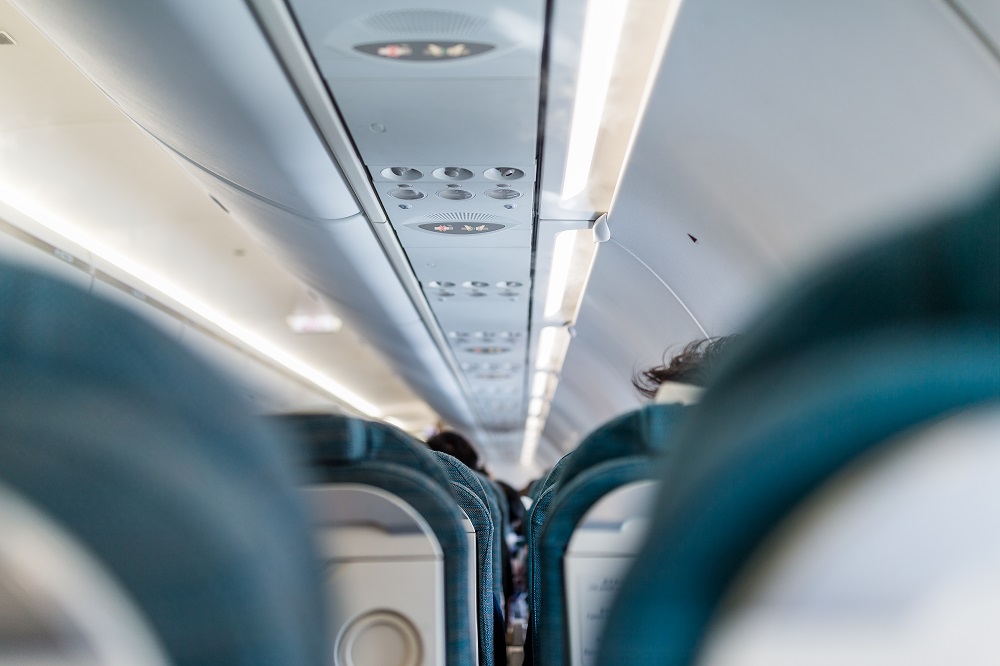
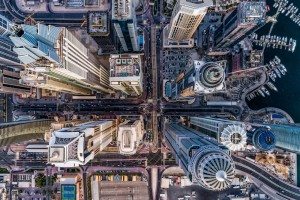
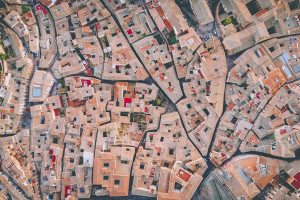
“We live in an increasingly interconnected world marked by global travel and commerce that can play a role in how quickly communicable diseases spread,” he explains. Similarly, Shan-Estelle Brown, PhD, assistant professor of anthropology at Rollins College, notes to the fact that through globalization and participation in international supply chains, no country is isolated. “Foods, people, and goods now easily travel around the world—and quickly,” she says.
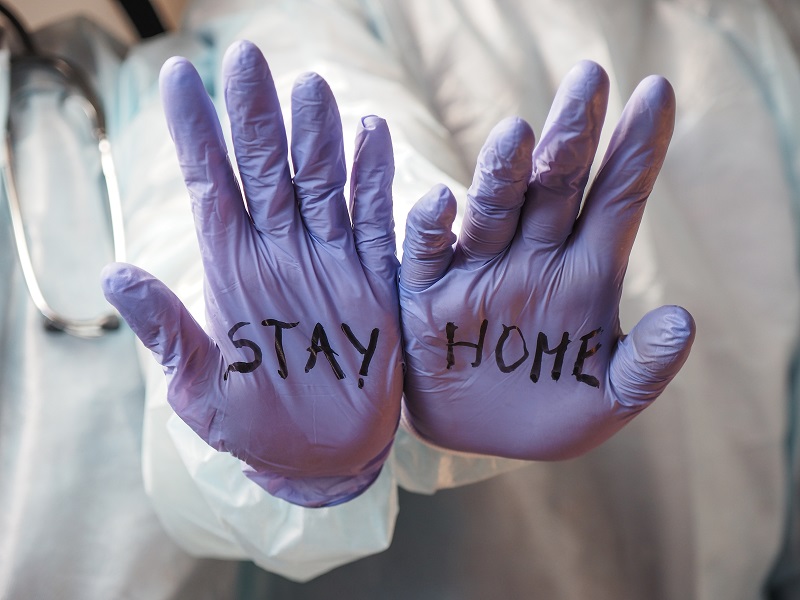
Of course, the wise thing to do at the moment is to stay home if that’s possible, and if you had a vacation planned, you’ll need to sort things out.
Information and misinformation spread faster
In addition to markets and supply chains, information regarding the new coronavirus is spreading faster than any epidemic or pandemic throughout history.
“The COVID-19 pandemic occurs during a time when information and misinformation are easily accessible and can lead to debates over the best course of action to protect public health,” Kline explains. “In the United States, this is particularly salient since there is considerable political division about the role of science in shaping public policy, which can create tensions in responding to the disease.”